
Complete Guide to Waterproofing Methods
Waterproofing Methods Explained
Terrace, Bathroom, Basement & Wall Waterproofing Methods Explained
Waterproofing methods help protect roofs, walls, bathrooms, and basements from leakage and moisture damage. This guide explains different types and how to choose the right solution.


Understanding Different Waterproofing Methods
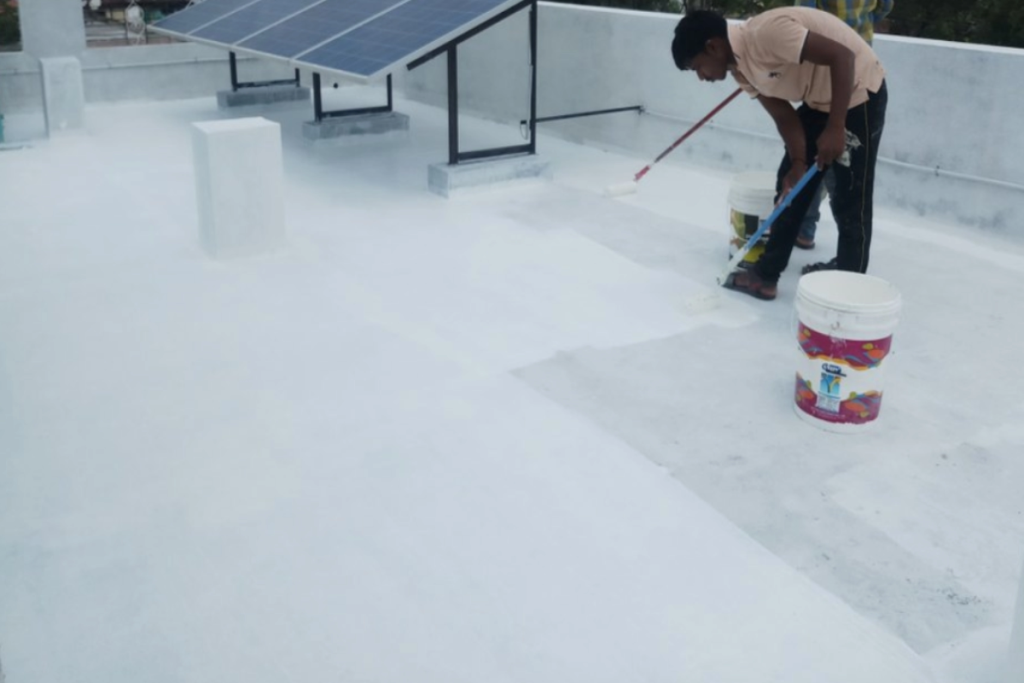
Waterproofing is essential to protect buildings from water leakage, dampness, and structural damage. Different areas like terraces, bathrooms, basements, and walls require specific waterproofing methods based on the type of problem.
Choosing the right waterproofing method not only stops leakage but also ensures long-term durability and reduces future repair costs. In this guide, we explain the most commonly used waterproofing methods, their advantages, limitations, and where they are best applied.
Why Choosing the Right Waterproofing Method Matters
Not all leakage problems are the same. Applying the wrong waterproofing method can lead to repeated failures, increased costs, and long-term structural damage.
Each method works differently depending on surface conditions, exposure to water, and environmental factors. Selecting the correct solution ensures effective protection and long-lasting results.
Types of Waterproofing Methods Explained
There are various waterproofing methods used in construction, ranging from traditional coatings to modern chemical-based solutions. Below are the most effective and commonly used methods used for terraces, bathrooms, basements, and walls.
Common Waterproofing Methods Used in Buildings
Different waterproofing methods are used based on the type of surface, leakage condition, and environmental exposure. Below are the most commonly used waterproofing methods along with their advantages, limitations, and applications.
Cementitious Waterproofing
(Basic & Cost-Effective Method)
Cement-based waterproofing is a simple and cost-effective method commonly used in internal areas. It is easy to apply and suitable for basic waterproofing needs.
Advantages:
• Easy to apply and maintain
• Cost-effective solution
• Suitable for internal areas
Limitations:
• Less flexible than other methods
• Not suitable for cracks or movement
Best Used For:
Bathrooms, basements, and water tanks
Liquid Rubber Waterproofing
(Flexible Seamless Latex Coating)
Liquid rubber waterproofing creates a seamless and highly flexible protective layer that prevents water penetration. It forms a rubber-like coating after drying and adapts well to surface movement.
Advantages:
• Seamless and joint-free coating
• Highly flexible and crack-resistant
• Good adhesion on various surfaces
Limitations:
• Requires multiple coats for durability
• Thickness control is important
Best Used For:
Terraces, roofs, bathrooms, and wet areas
Bituminous Waterproofing
(Membrane-Based Protection System)
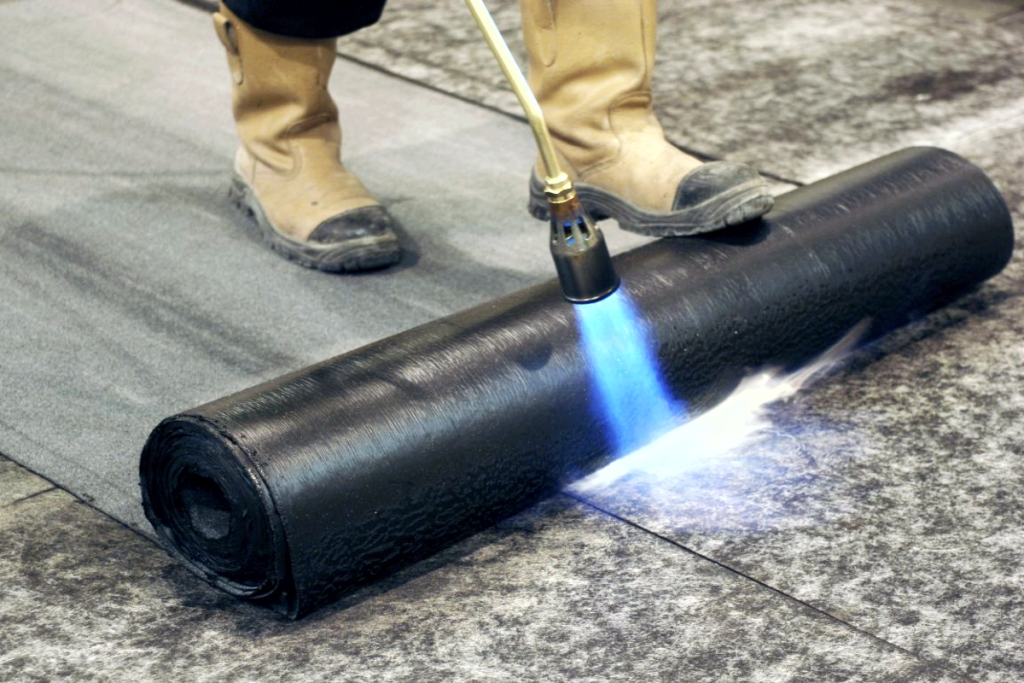
Bituminous waterproofing uses asphalt-based coatings or sheets to create a strong barrier against water. It is a traditional and widely used method for structural waterproofing.
Advantages:
• Strong water resistance
• Durable for underground use
• Cost-effective for large areas
Limitations:
• Not UV resistant (needs protection layer)
• Can become brittle over time
Best Used For:
Basements, and underground structures
Acrylic Waterproofing Coating
(Flexible & UV-Resistant Surface Protection)
Acrylic waterproofing is a water-based coating used mainly for terraces and external walls. It forms a flexible protective layer that resists sunlight, rain, and minor cracks.
Advantages:
• UV-resistant – ideal for roofs & terraces
• Flexible coating – handles minor cracks
• Easy to apply – brush or roller application
Limitations:
• Not suitable for heavy water storage areas
• Can become brittle over time
Used For:
May need periodic recoating over time structures
SBR Waterproofing
(Strong Bonding & Internal Waterproofing)
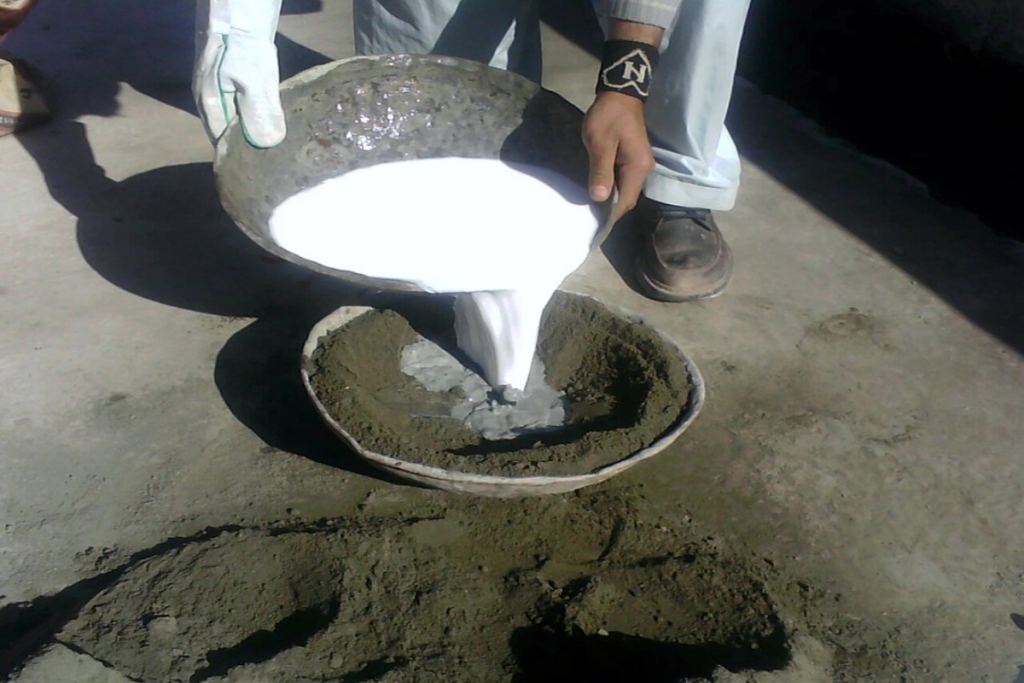
SBR is a polymer-based waterproofing solution mixed with cement to improve bonding strength and water resistance. It is widely used in internal areas and repair work.
Advantages:
• Excellent bonding with concrete surfaces
• Improves strength and durability
• Cost-effective and widely available
Limitations:
• Not UV-resistant – not ideal for exposed surfaces
• Limited flexibility compared to modern coatings
Used For:
Bathrooms, walls, water tanks, repair works
Polyurethane Waterproofing
(Flexible Membrane Coating)
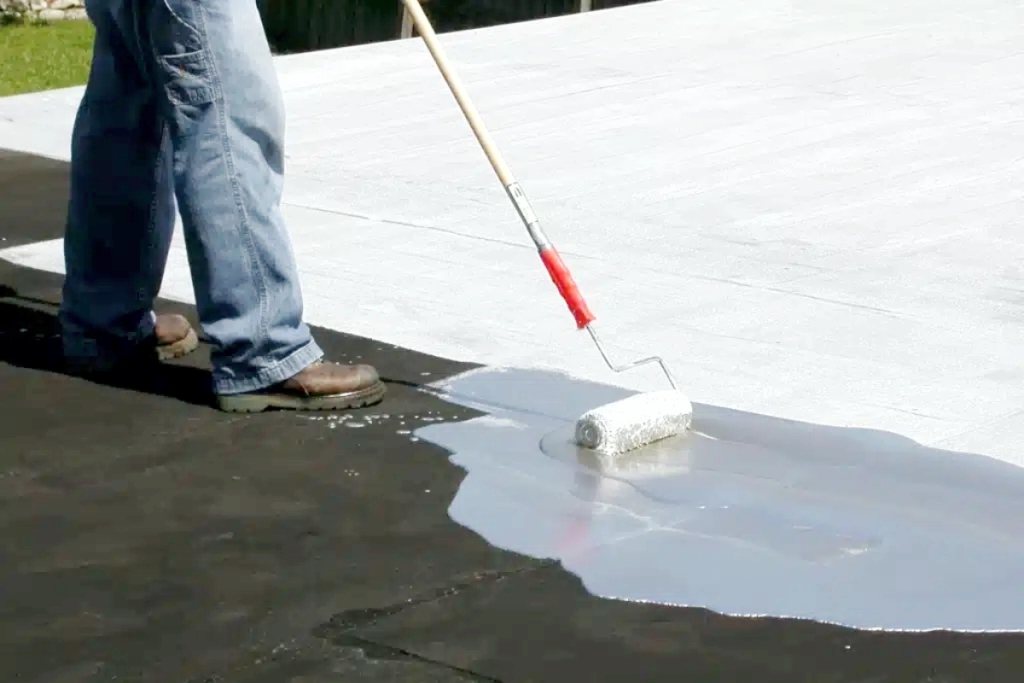
Polyurethane coating forms a strong and flexible membrane that protects surfaces from water penetration. It is widely used for exposed areas where durability is important.
Advantages:
• Highly flexible and durable
• Strong crack-bridging ability
• Suitable for exposed surfaces
Limitations:
• More expensive than other methods
• Sensitive to moisture during application
Best Used For:
Roofs, terraces, balconies, and exposed areas
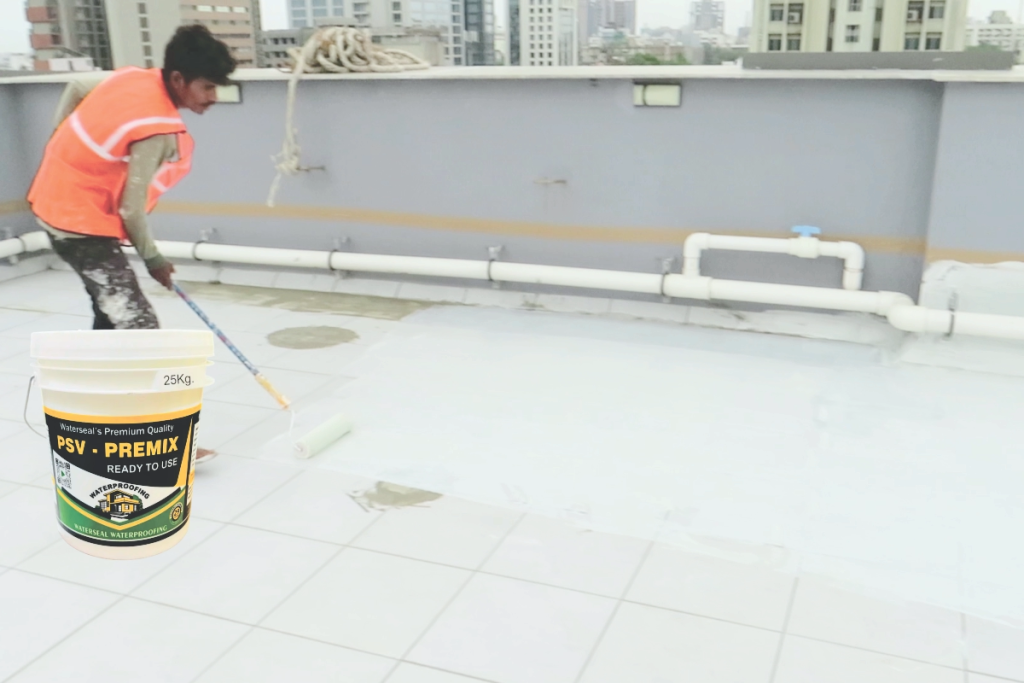
PSv-Premix is the Modern Waterproofing Solution for Long-Lasting Protection
Traditional waterproofing methods often fail over time due to cracks, weather exposure, and repeated maintenance needs. To overcome these limitations, modern waterproofing technologies like PSV offer a more reliable and long-term solution.
PSV (Polymerized Silicone Vinyl) is designed to provide flexible, seamless, and durable waterproofing for multiple areas of your home, making it an ideal choice for long-term protection against leakage problems.
Polymerized Silicone Vinyl (PSV) Waterproofing
(Modern, Flexible & Long-Lasting Waterproofing Solution)
PSV (Polymerized Silicone Vinyl) is an advanced waterproofing technology designed to provide seamless and durable protection against water leakage. Unlike traditional methods that crack or fail over time, PSV forms a flexible, joint-free coating that adapts to surface movement.
It works effectively on multiple surfaces and is suitable for both internal and external applications, making it a reliable all-in-one waterproofing solution for modern buildings.
Key Benefits of PSV Waterproofing:
✔ Seamless coating – no joints, no leakage points
✔ Highly flexible – prevents cracks and surface damage
✔ UV and weather resistant – ideal for Indian climate
✔ Easy application – brush or roller based (DIY friendly)
✔ Long-lasting performance with low maintenance
Why PSV Waterproofing is the Best Modern Solution
After comparing different waterproofing methods, it is clear that each method has its own limitations. Some lack flexibility, some are not durable under harsh weather, and others require frequent maintenance. Choosing a solution that overcomes these issues is important for long-term protection.
Limitations of Traditional Waterproofing Methods
Many traditional waterproofing methods are designed for specific conditions and often fail when used in changing environments. Rigid coatings can crack over time, membrane systems require skilled installation, and some materials are not suitable for long-term exposure to sunlight and weather.
In many cases, these methods need multiple layers, regular maintenance, or reapplication, which increases cost and reduces long-term reliability. This makes it difficult to achieve consistent and durable waterproofing results.
Advantages of PSV Waterproofing Technology
PSV (Polymerised Silicone Vinyl) is designed to overcome the limitations of traditional waterproofing methods by providing a seamless and flexible protective layer. It adapts to surface movement and prevents cracks, ensuring long-lasting protection against water leakage.
It is suitable for terraces, bathrooms, walls, and water tanks, making it a versatile all-in-one solution. With its durability, weather resistance, and ease of application, PSV offers a more reliable and cost-effective waterproofing.
PSV combines flexibility, durability, and ease of application in a single waterproofing solution.
Where to Use Different Waterproofing Methods
Different waterproofing methods are suitable for different areas of a building. Choosing the right method based on the location helps ensure better performance and long-term protection.
Terraces are exposed to rain and sunlight, so flexible and UV-resistant coatings work best. Methods like PSV, polyurethane, and acrylic coatings are commonly used for long-term protection.
👉 Best Method: PSV Waterproofing
Bathrooms require waterproofing below tiles and around joints to prevent seepage. Cementitious and liquid membrane methods are widely used for internal areas.
Basements face external water pressure, so strong and deep-penetrating methods are required. PSv OR Crystalline waterproofing are commonly used here.
Damp walls require treatment that blocks moisture and prevents future seepage. Coating-based waterproofing and chemical treatments are effective.
How to Choose the Right Waterproofing Solution for Your Home
Choosing the right waterproofing solution depends on the type of leakage, surface condition, and environmental exposure. Selecting the correct approach ensures long-term protection and avoids repeated repairs.
Selecting the right waterproofing solution
Starts with identifying the exact source of leakage. Different areas like terraces, bathrooms, basements, and walls require different treatments based on water exposure and usage.
Surface condition is equally important. Cracks, and uneven surfaces must be properly repaired and prepared before applying any waterproofing system. Without proper preparation, even the best solution may fail.
Choosing a reliable and long-lasting solution helps prevent recurring leakage issues and reduces maintenance costs in the future.
What You Should Consider Before Choosing:
✔ Identify the leakage area (terrace, bathroom, basement, wall)
✔ Understand the root cause (cracks, joints, seepage, pressure)
✔ Check exposure to sunlight, rain, or internal moisture
✔ Ensure proper surface preparation before application
✔ Choose a solution that offers durability and low maintenance
✔ Prefer modern and flexible waterproofing systems for long-term results
The right waterproofing solution protects your home, saves repair costs, and ensures long-term structural safety.
PSv-Premix vs Other Waterproofing Methods – Which One is Better?
There are many waterproofing solutions available, but not all provide long-term performance, flexibility, and ease of application. Comparing different methods helps in choosing the most effective and reliable solution for your needs.
| Feature | PSV-Premix ⭐ | Polyurethane | Cementitious | Bituminous |
|---|---|---|---|---|
| Durability | ⭐⭐⭐⭐⭐ | ⭐⭐⭐⭐ | ⭐⭐⭐ | ⭐⭐ |
| Flexibility | ⭐⭐⭐⭐⭐ | ⭐⭐⭐⭐ | ⭐⭐ | ⭐ |
| UV Resistance | ⭐⭐⭐⭐⭐ | ⭐⭐⭐⭐ | ⭐⭐ | ⭐ |
| Crack Resistance | ⭐⭐⭐⭐⭐ | ⭐⭐⭐⭐ | ⭐⭐ | ⭐ |
| Ease of Application | DIY Friendly | Expert Needed | Moderate | Moderate |
| Maintenance | Low | Medium | Medium | High |
| Cost Efficiency | High | Low | Medium | Medium |
Choosing the right waterproofing solution is not just about cost — it’s about long-term protection. Polymerized Silicone Vinyl (PSV) offers a modern, reliable, and hassle-free solution for most residential needs.
Frequently Asked Questions About Waterproofing Methods
What is the best waterproofing method for homes?
The best waterproofing solution depends on the area and type of leakage. For terraces, walls, and bathrooms, modern solutions like PSV waterproofing provide flexible and long-lasting protection compared to traditional methods.
Which waterproofing method is suitable for terrace leakage?
Terraces require UV-resistant and flexible waterproofing solutions. Liquid coatings like PSV, acrylic, and polyurethane are commonly used to prevent water seepage and surface cracks.
Is cementitious waterproofing enough for long-term protection?
Cementitious waterproofing is suitable for internal areas like bathrooms and water tanks, but it may not perform well on exposed surfaces due to low flexibility and crack resistance.
How do I choose the right waterproofing solution for my problem?
Choosing the right solution depends on the leakage source, surface condition, and exposure to weather. It is important to identify the root cause before selecting a waterproofing method.
How long does waterproofing last?
The durability of waterproofing depends on the method used and application quality. Modern solutions like PSV can provide long-term protection with minimal maintenance compared to traditional systems.
Stop Water Leakage Before It Causes Major Damage
Water leakage problems can lead to serious structural damage if not treated on time. Whether it’s your terrace, bathroom, or damp walls, choosing the right waterproofing solution is essential for long-term protection.
Get expert guidance and find the most suitable waterproofing solution based on your specific problem.
Need help choosing the right solution? Our experts are ready to assist you. WhatsApp us