Complete Guide to Identify & Fix Bathroom Leakage Problems
Bathroom Leakage Causes and Solutions
Bathroom leakage can damage your walls, ceiling, and structure if ignored.
Learn the early signs and understand the real Bathroom Leakage Causes to fix the problem before it becomes serious.
🔶 Identify the signs
🔶 Know the causes
🔶 Choose the right waterproofing solution
Bathroom Leakage Causes Explained
Common Reasons for Bathroom Seepage and Water Damage
Bathroom leakage is a common problem in many homes. If not fixed on time, it can damage ceilings, walls, paint, and even the structure of the building.
In most cases, leakage starts with small issues but slowly becomes a serious problem. By identifying early signs and understanding the Bathroom Leakage Causes, you can take quick action and avoid costly repairs.
Early inspection not only saves money but also prevents long-term damage.These common signs help you identify hidden Bathroom Leakage Causes before the problem becomes serious.
This guide will help you:
✔ Identify early warning signs of bathroom leakage
✔ Understand the real Bathroom Leakage Causes
✔ Choose the right waterproofing solution for your home

Common Signs of Bathroom Leakage Explained
Bathroom leakage problems usually start small but become serious over time. By identifying these warning signs early, you can understand the real Bathroom Leakage Causes and take action before major damage happens.
Below are the most common signs that indicate your bathroom may not be waterproof:
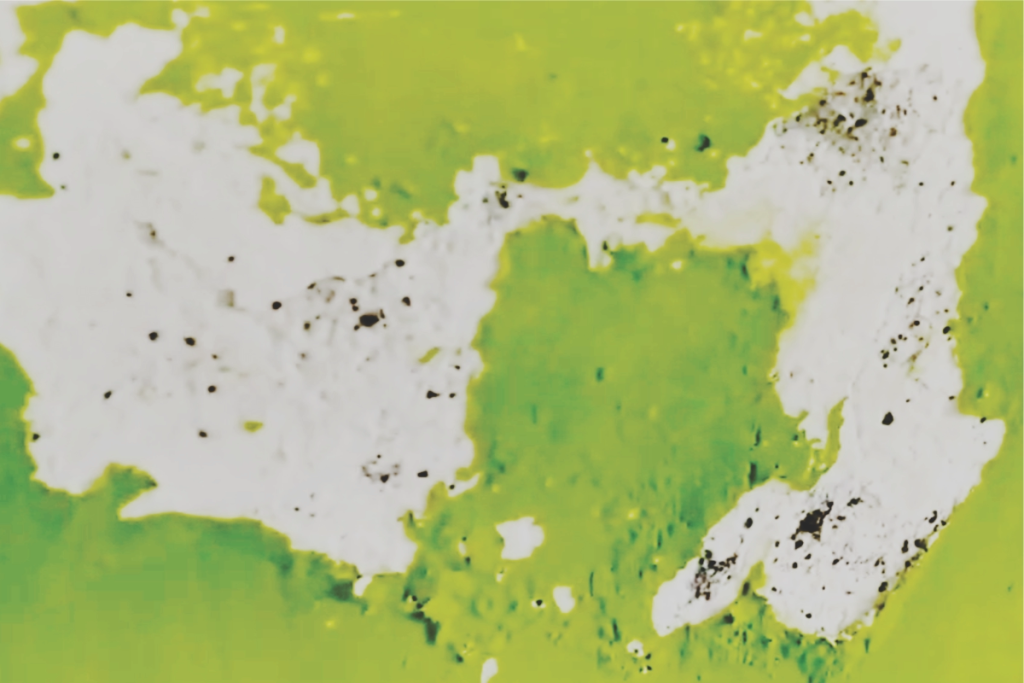
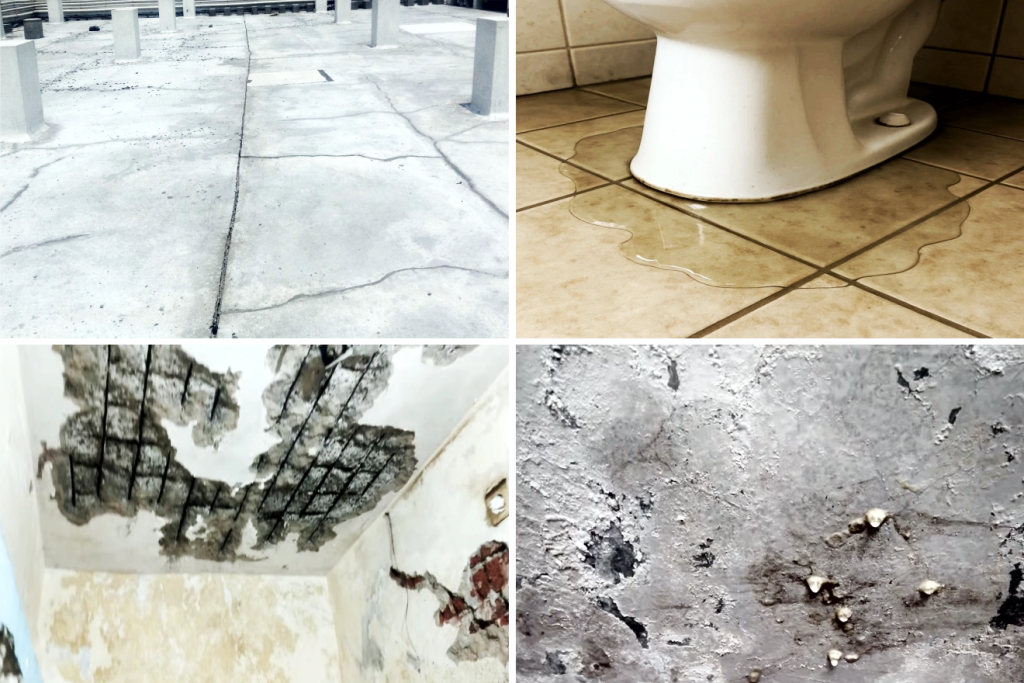
1. Black or Greenish Spots on Ceiling – Early Sign of Leakage
Black or greenish spots on the ceiling are one of the earliest signs of hidden water seepage. These marks usually appear when water starts entering from the bathroom floor. This is a common indication of early Bathroom Leakage Causes that should not be ignored.
Signs of This Problem
✔ Small black or green-yellow spots on the ceiling
✔ Spots slowly increasing in size
✔ Damp patches visible below bathroom area
Why This Problem Occurs (Bathroom Leakage Causes)
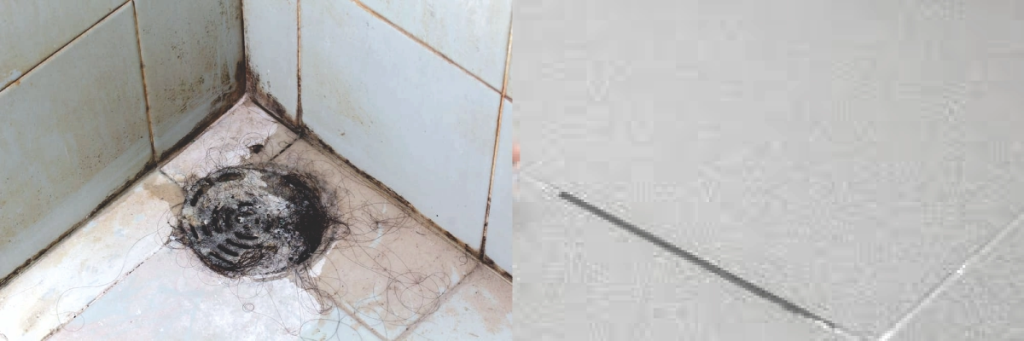
✔ Open or damaged tile joints (floor gaps)
✔ Water seeping through bathroom flooring
✔ Poor or failed waterproofing layer
What It Indicates
These spots are usually the first warning sign of Bathroom Leakage Causes, where water enters through tile joints and reaches the ceiling below.
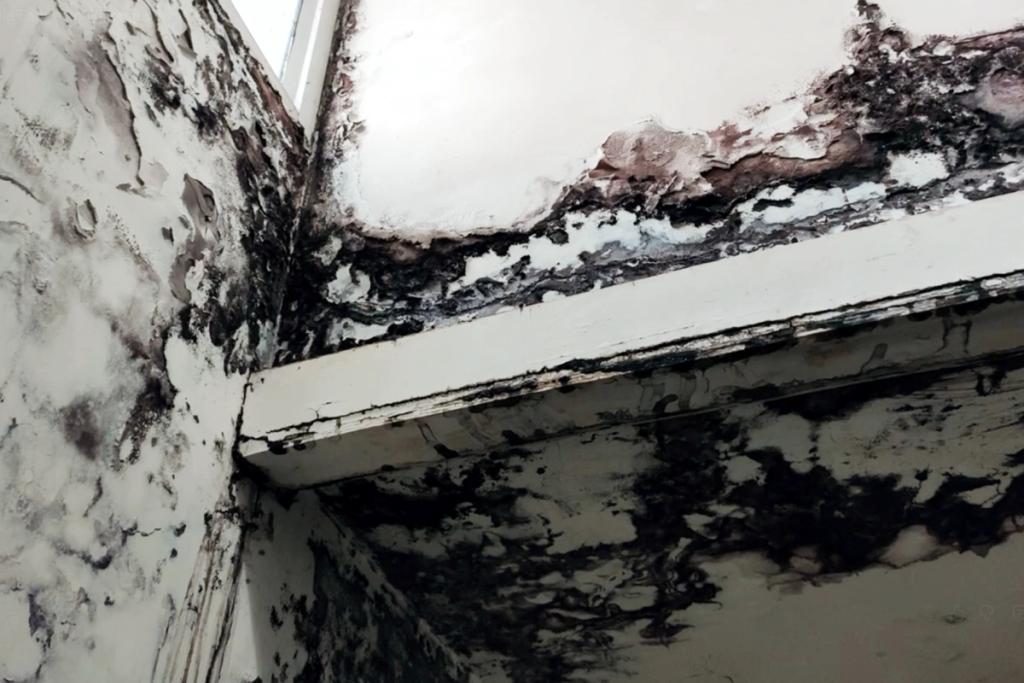
2. Stains and Peeling Paint on Walls
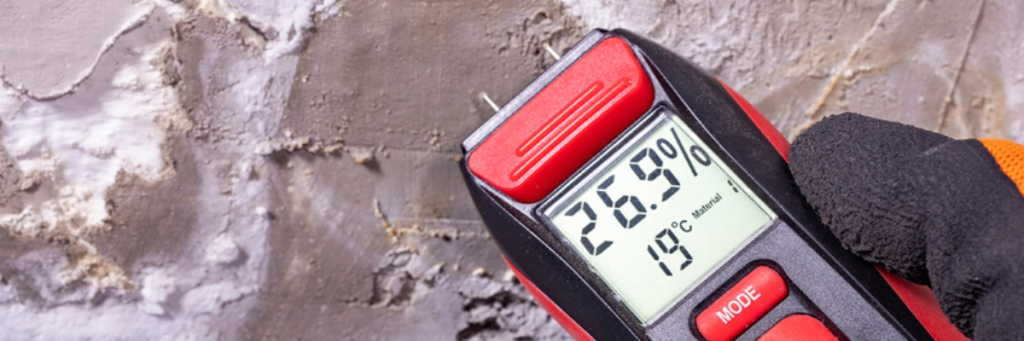
Stains and peeling paint on walls clearly show that moisture is spreading beyond the bathroom area. Over time, the damage becomes more visible and affects the wall surface. This is a strong sign of underlying Bathroom Leakage Causes.
Signs of This Problem
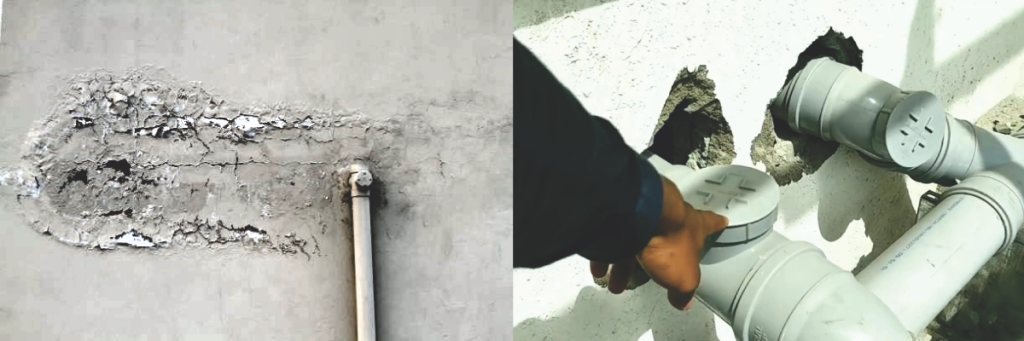
✔ Paint peeling or bubbling
✔ Yellow or green stains on walls
✔ White salt deposits (efflorescence)
Why This Problem Occurs (Bathroom Leakage Causes)
✔ Moisture spreading through nearby walls
✔ Gaps in tile joints
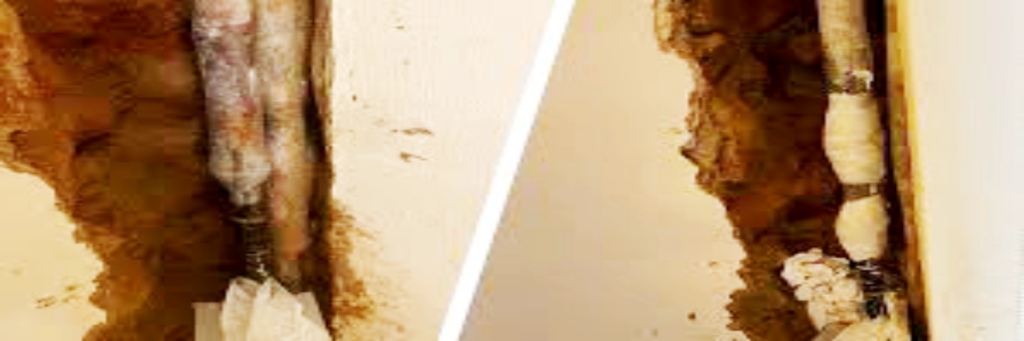
✔ Leakage from pipe joints inside walls
What It Indicates
This sign clearly shows hidden Bathroom Leakage Causes, where water has started spreading beyond the bathroom area.
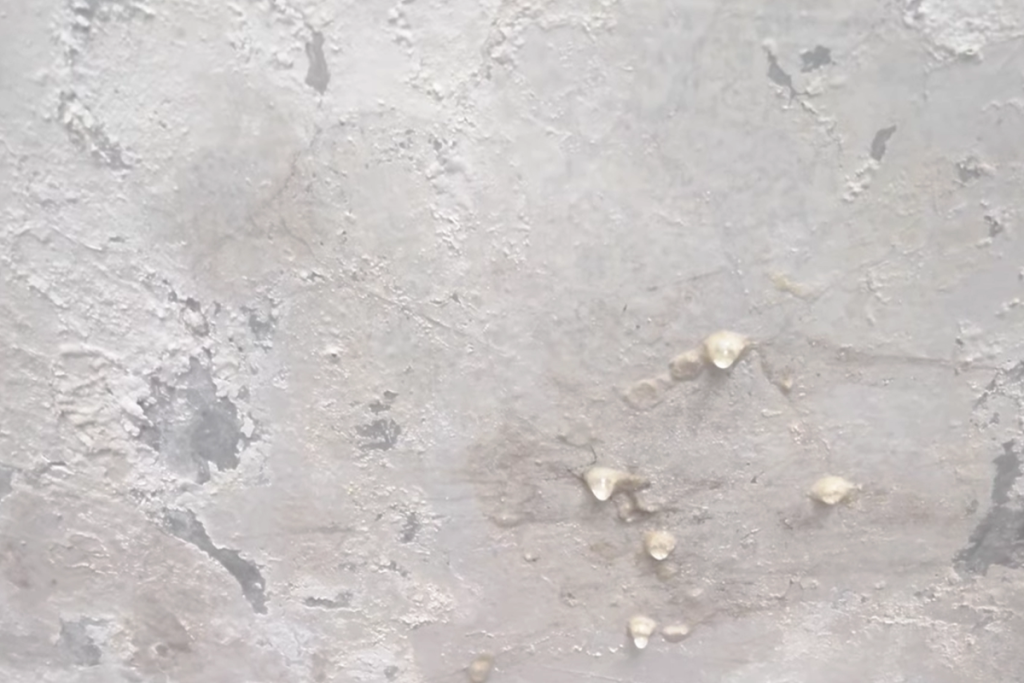
3. Water Dripping from Ceiling
Water dripping from the ceiling is a clear and serious warning sign of leakage. It usually happens when the problem has already progressed. At this stage, the Bathroom Leakage Causes need immediate attention to prevent further damage.
Signs of This Problem
✔ Water dripping during or after bathroom use
✔ Continuous leakage from ceiling
✔ Wet patches with active dripping
Why This Problem Occurs (Bathroom Leakage Causes)
✔ Faulty drainage system
✔ Loose or damaged pipe joints
✔ Weak or failed waterproofing layer
What It Indicates
This is a serious stage of Bathroom Leakage Causes, where leakage becomes active and requires immediate repair.
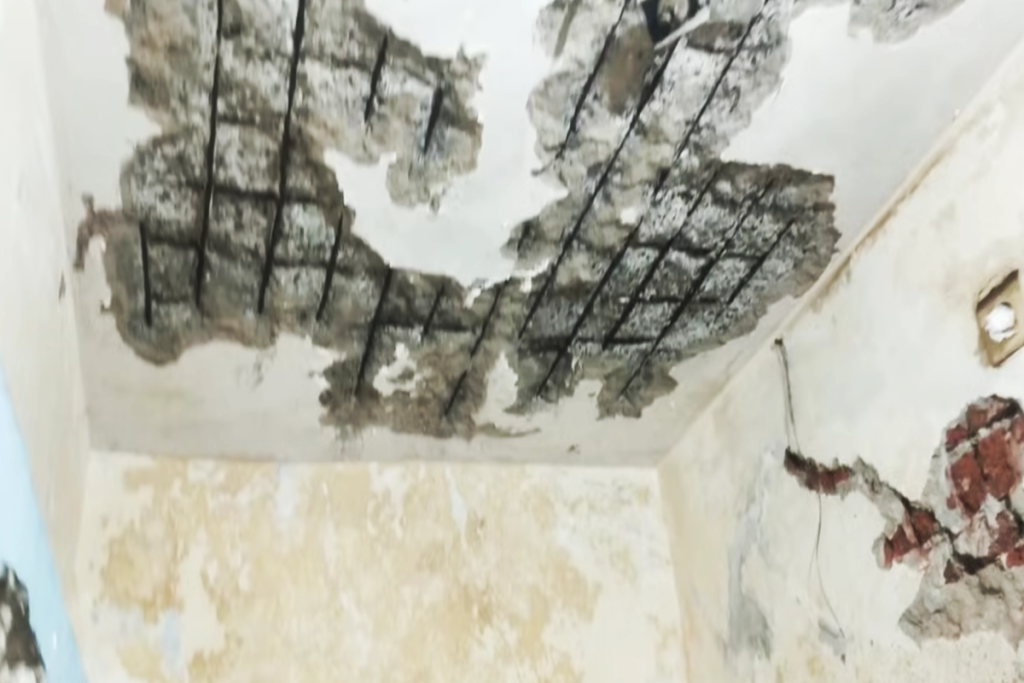
4. Damaged or Falling Ceiling Plaster – Severe Stage
Damaged or falling plaster indicates long-term water seepage inside the structure. This happens when earlier signs are ignored and moisture keeps weakening the ceiling. It represents the most critical stage of Bathroom Leakage Causes.
Signs of This Problem
✔ Swollen or cracked ceiling
✔ Plaster falling off
✔ Visible rusted rods or structure
Why This Problem Occurs (Bathroom Leakage Causes)
✔ Long-term water seepage
✔ Ignoring early leakage signs
✔ Continuous moisture inside slab
What It Indicates
This is the final and most dangerous stage of Bathroom Leakage Causes, which can lead to structural damage and high repair costs.
✅ Conclusion
If you notice any of these signs, do not ignore them. Understanding these warning signs helps you identify the exact Bathroom Leakage Causes and take the right action at the right time.
Early repair not only saves money but also protects your home from serious long-term damage.Understanding these signs helps you identify the exact Bathroom Leakage Causes and take action at the right time. Ignoring these issues can lead to serious structural damage and higher repair costs.
Why is Bathroom Waterproofing Important?
Bathroom waterproofing is essential to protect your home from long-term water damage. Ignoring small leakage issues can lead to serious structural problems and expensive repairs.
✔ Prevents water seepage into walls and ceilings
✔ Protects building structure from damage
✔ Stops mold, dampness, and paint damage
✔ Increases the life of tiles and flooring
✔ Saves future repair and maintenance costs
By understanding the Bathroom Leakage Causes and applying proper waterproofing, you can keep your bathroom safe, strong, and damage-free for years.
Methods for Bathroom Waterproofing
If you are planning a new bathroom or renovation, proper waterproofing is very important to prevent future leakage problems.
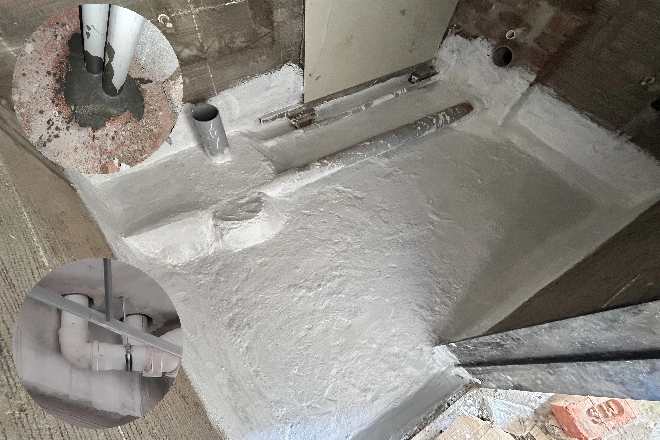
The process usually includes surface cleaning, filling cracks, applying waterproof coating, and sealing tile joints properly. Using the right method helps avoid common Bathroom Leakage Causes and ensures long-lasting protection.
To understand the complete step-by-step waterproofing process, you can visit: https://www.waterseal.in/bathroom-waterproofing/
Frequently Asked Questions About Bathroom Leakage Causes
What are the main Bathroom Leakage Causes?
The most common Bathroom Leakage Causes include damaged tile joints, poor waterproofing, leaking pipe joints, and faulty drainage systems. Over time, these issues allow water to seep into walls and ceilings.
How can I identify early signs of bathroom leakage?
Early signs include black spots on ceilings, peeling wall paint, damp patches, and a musty smell. These signs indicate hidden Bathroom Leakage Causes that should be fixed quickly.
Can bathroom leakage damage the building structure?
Yes, if ignored, Bathroom Leakage Causes can weaken concrete, damage plaster, and even affect the structural strength of the building. Early repair is very important.
What is the best solution to fix bathroom leakage?
The best solution is proper waterproofing after identifying the exact Bathroom Leakage Causes. This may include crack filling, tile joint sealing, and applying waterproof coatings.
How can I prevent Bathroom Leakage in the future?
To prevent Bathroom Leakage Causes, ensure proper waterproofing during construction, maintain tile joints, and regularly check plumbing and drainage systems.
Fix Your Bathroom Leakage Today
Bathroom leakage problems can get worse over time if not treated early. Don’t wait until it causes serious damage to your walls and ceiling.
Get Expert Help Now:
✔ Free Bathroom Leakage Inspection
✔ Identify Exact Bathroom Leakage Causes
✔ Professional Waterproofing Solutions
⭐ 30+ Years Experience
⭐ 12000+ Happy Customers
⭐ 5-Year Service Warranty
Talk to Our Expert Today
Our team will inspect your bathroom, find the root cause, and provide the best solution for long-lasting protection
Explore Other Water Leakage Problems & Solutions
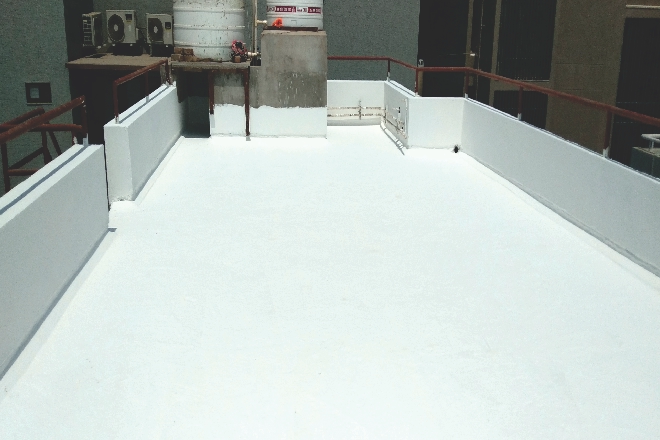
Bathroom leakage is common, but similar issues can also occur in terraces, water tanks, and walls. Each area requires a different waterproofing method and proper treatment.
👉 Also facing terrace or wall leakage? Explore our waterproofing solutions for complete protection.
👉 Explore detailed guides for other types of leakage problems:
Explore a complete guide covering all types of leakages
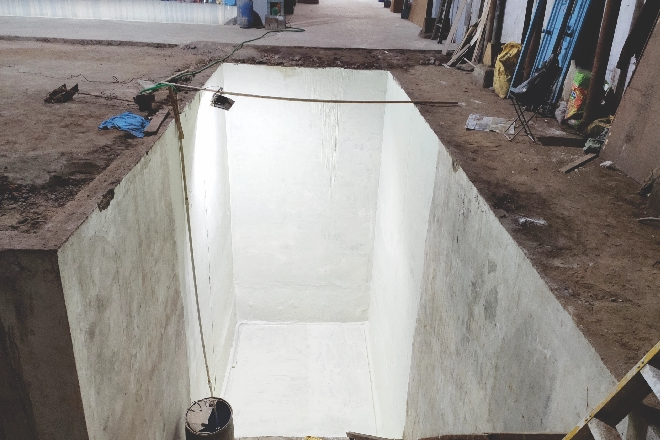
Prevent leakage in water tanks and protect the structure
Treat wall dampness, moisture, and basement seepage issues