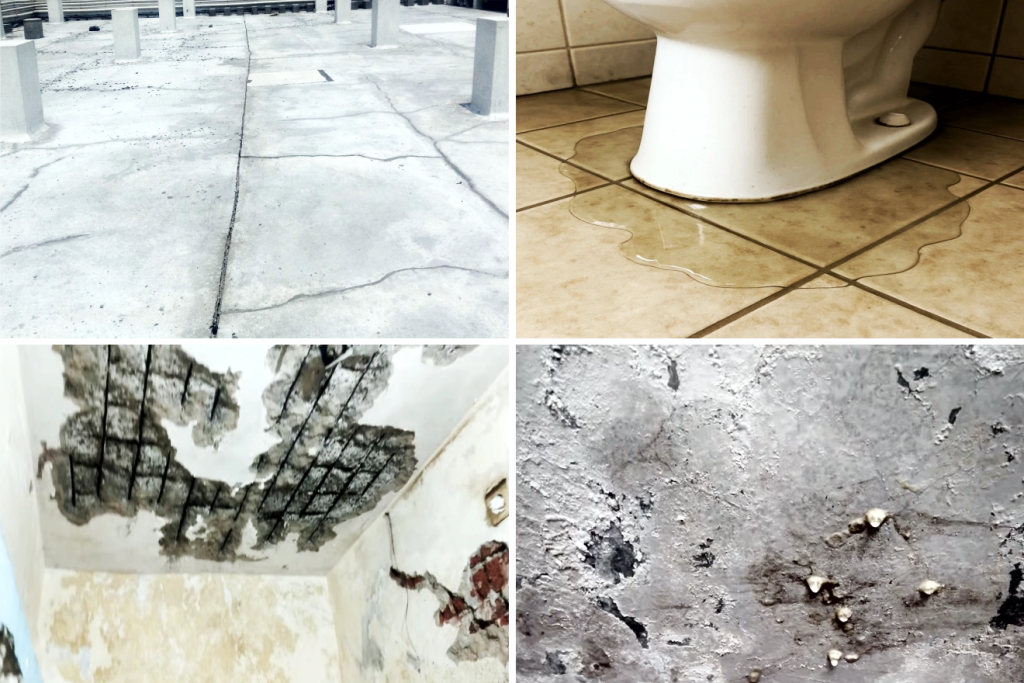
Complete Guide to Identify & Fix Damp Wall Problems
Damp Wall Causes and Solutions
Damp walls can damage your paint, plaster, and building structure if ignored.
Learn the early signs and understand the real Damp Wall Causes to fix the problem before it becomes serious.
🔸 Identify damp wall signs early
🔸 Understand interior, exterior & basement causes
🔸 Choose the right waterproofing solution
Damp Wall Causes Explained
Damp walls are a common problem in many homes and buildings. If not treated early, they can damage paint, plaster, furniture, and even weaken the structure over time.
Dampness does not appear suddenly. It usually starts due to hidden moisture, water seepage, or construction-related issues. By identifying early signs and understanding the real Damp Wall Causes, you can take timely action and prevent serious damage.
Damp wall problems can occur in interior walls, exterior walls, and basement retaining walls. Each type may look similar, but the root cause and solution can be different.
Early inspection helps save repair costs, protect your property, and ensure long-term durability.
This guide will help you:
✔ Identify early signs of damp walls
✔ Understand interior, exterior & basement Damp Wall Causes
✔ Choose the right waterproofing and treatment solution
Common Signs of Damp Walls Explained
Damp wall problems usually start small but become serious over time. By identifying these warning signs early, you can understand the real Damp Wall Causes and take action before major damage happens.
Below are the most common signs that indicate dampness in interior walls, exterior walls, and basement areas:
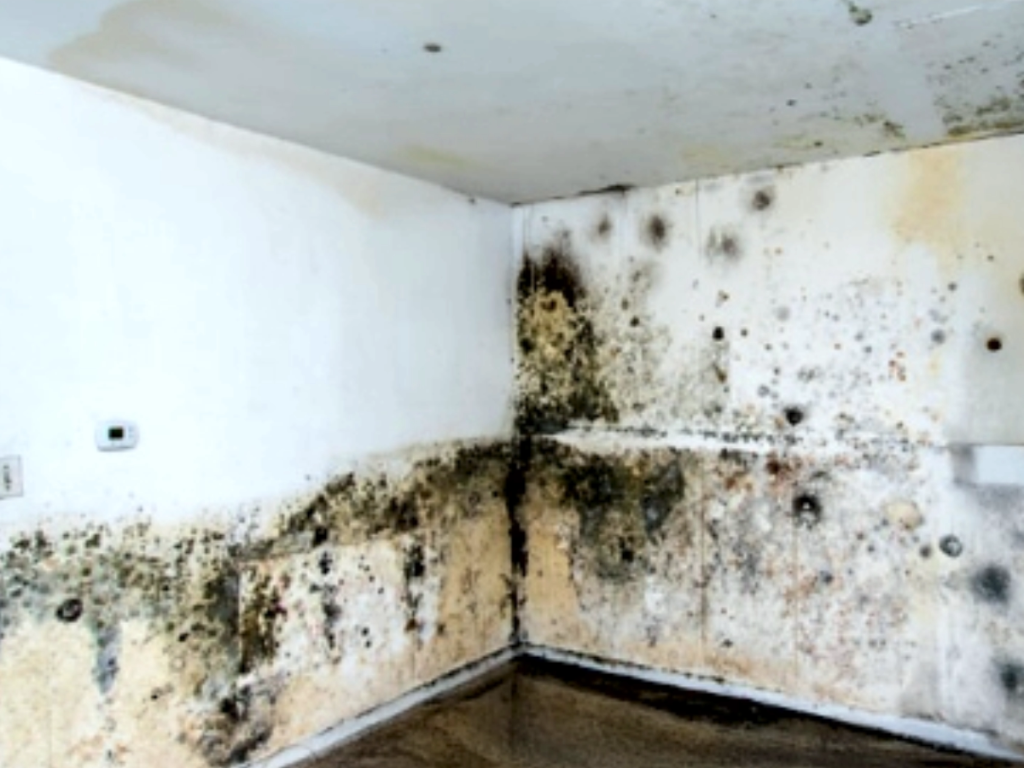
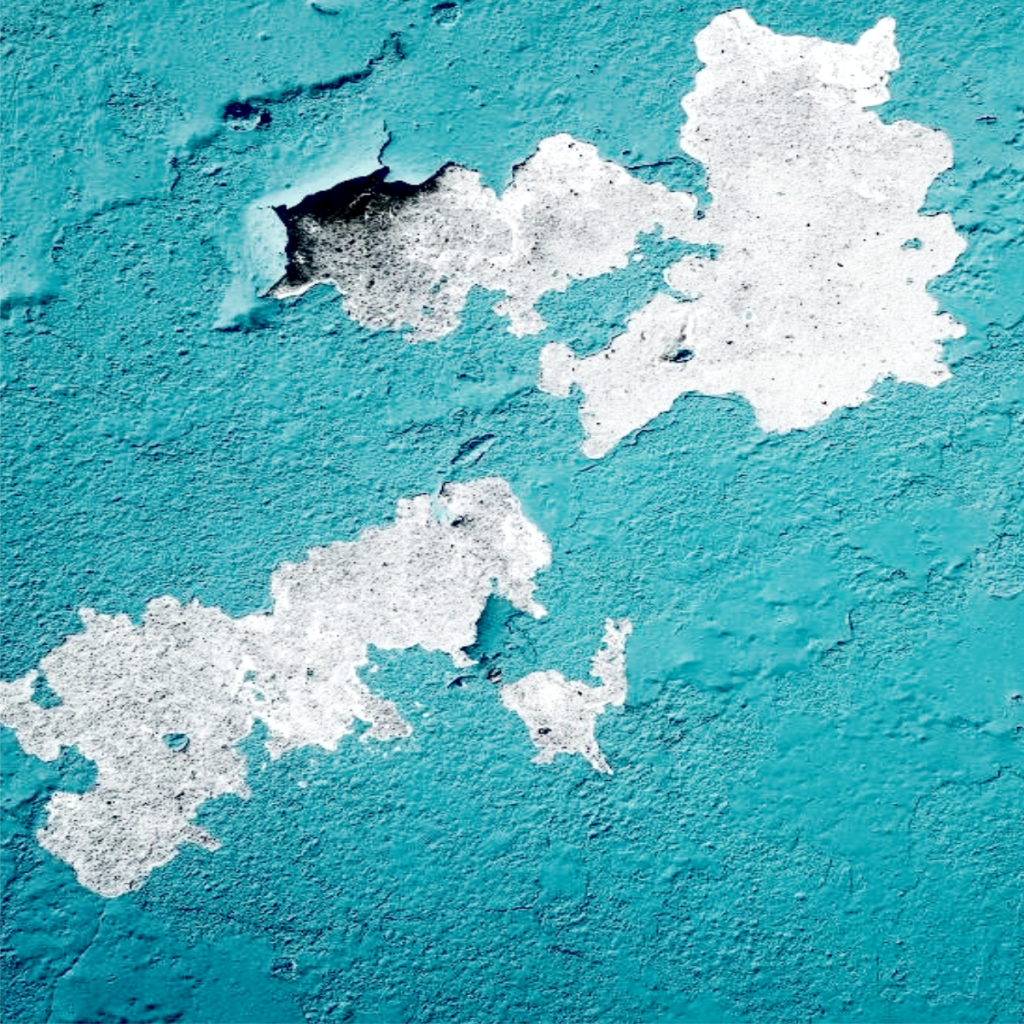
1. Paint Peeling and Damp Patches on Walls
Peeling paint and damp patches are the earliest signs of moisture inside walls. These issues usually appear when water starts seeping through surfaces or trapped moisture builds up over time.
Signs of This Problem
✔ Paint peeling or bubbling
✔ Dark or wet patches on walls
✔ Damp smell in the room
Why This Problem Occurs (Damp Wall Causes)
✔ Internal leakage from pipes
✔ Moisture trapped inside walls
✔ Poor ventilation
What It Indicates
This is the first warning sign of Damp Wall Causes, where moisture has started affecting the wall surface.
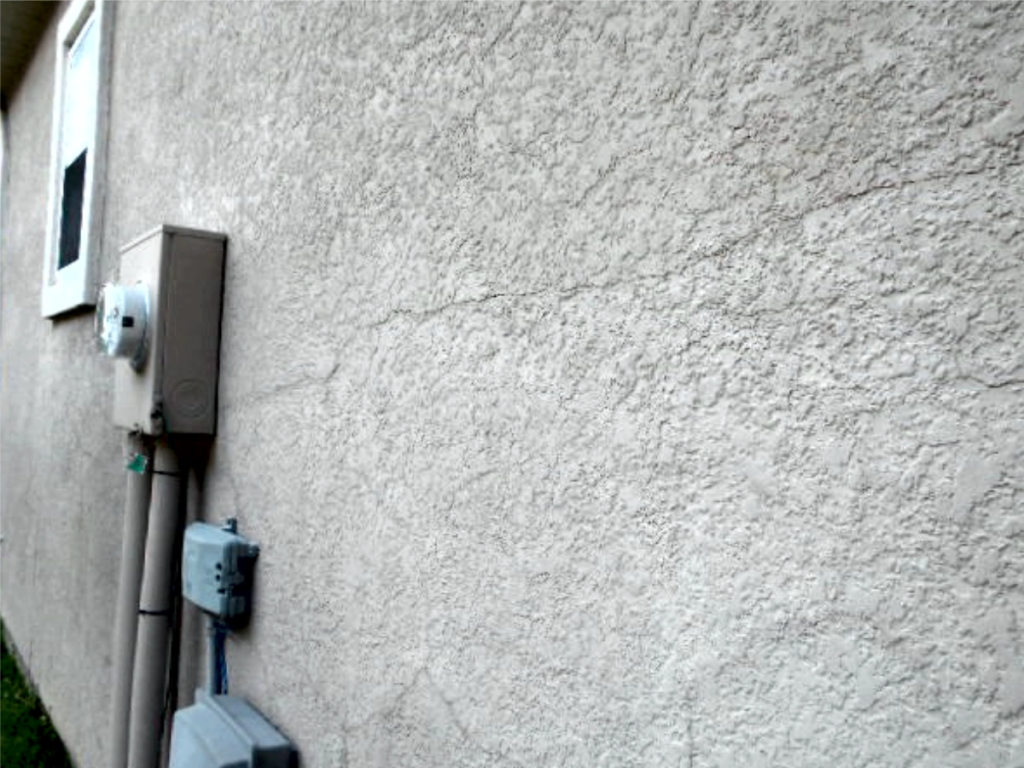
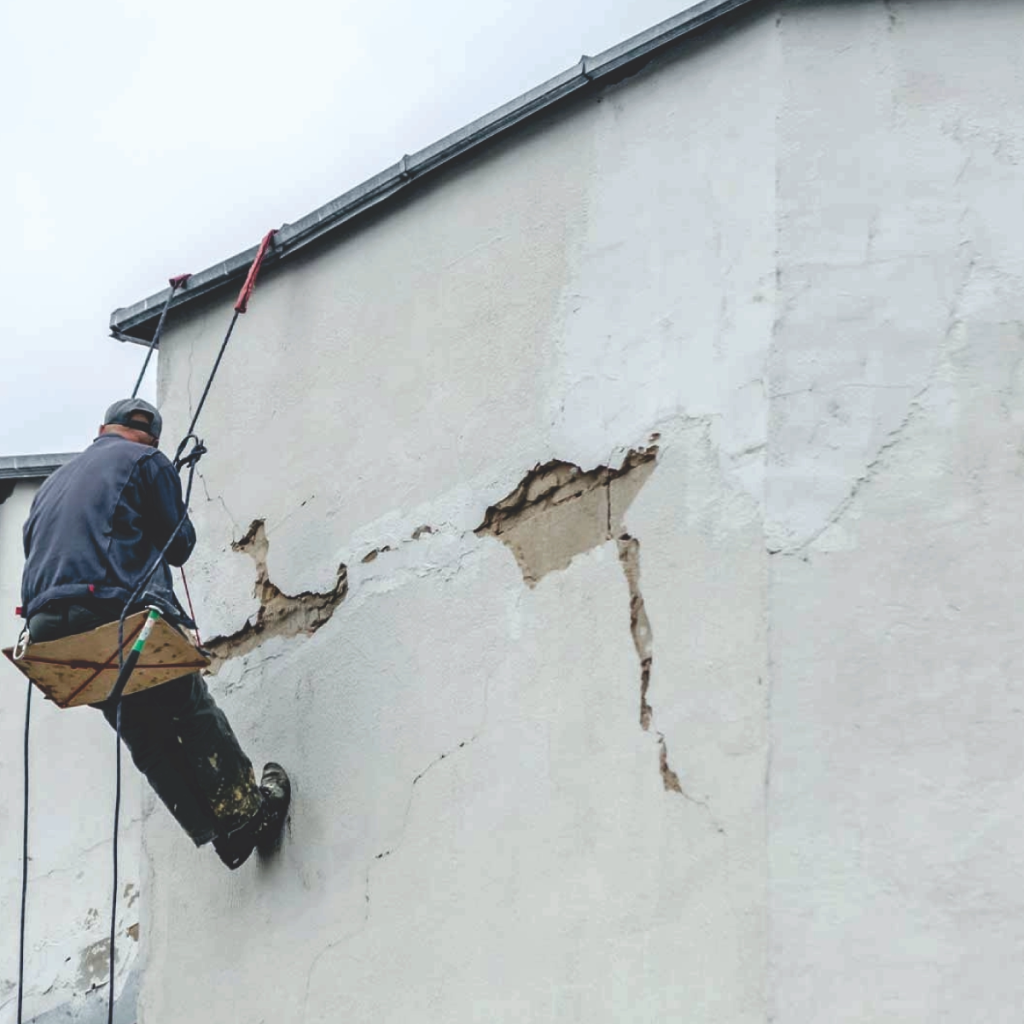
2. Exterior Wall Seepage and Cracks
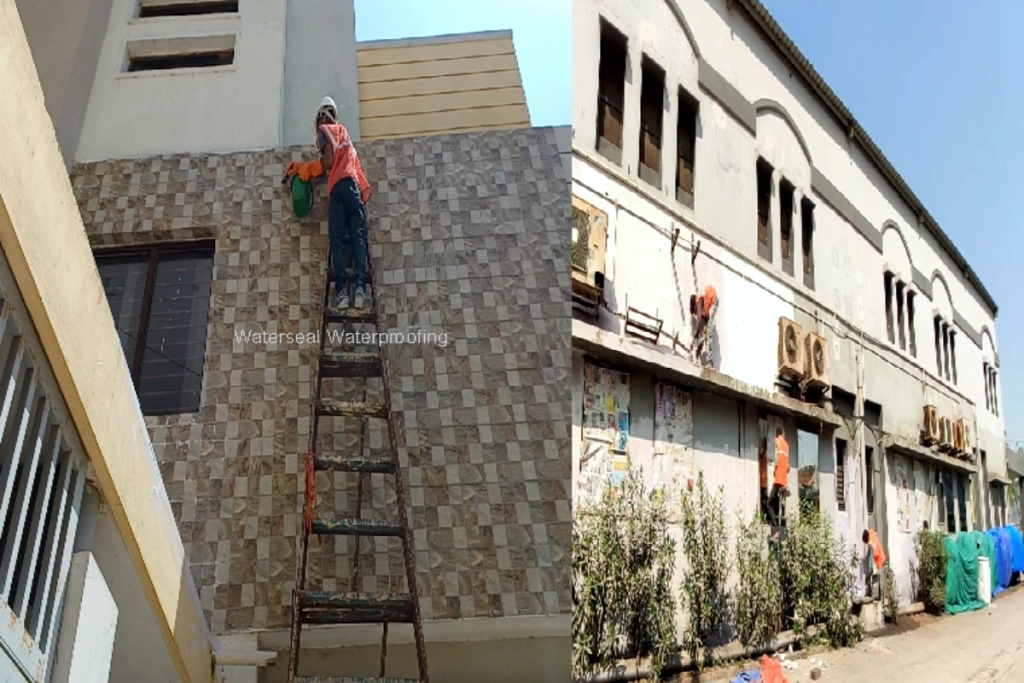
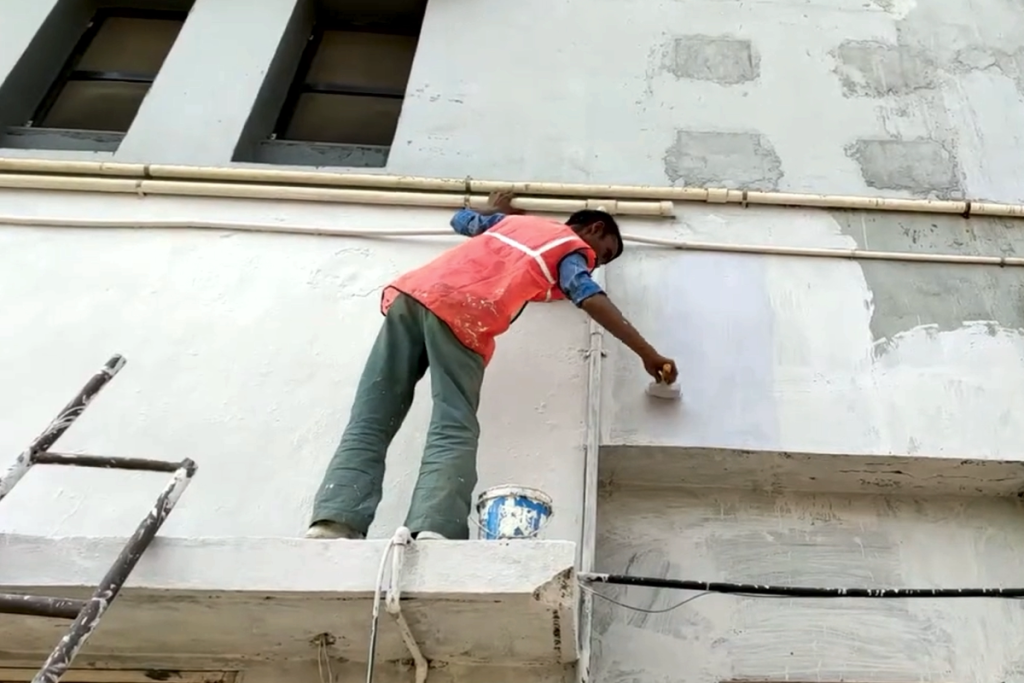
Exterior walls are directly exposed to rain and weather. Cracks or weak plaster allow water to enter, causing dampness inside the building.
Signs of This Problem
✔ Water stains on outer walls
✔ Cracks in plaster or surface
✔ Dampness appearing on inner side
Why This Problem Occurs (Damp Wall Causes)
✔ Rainwater entering through cracks
✔ Damaged exterior plaster
✔ Lack of waterproof coating
What It Indicates
This sign shows external Damp Wall Causes, where water enters from outside and spreads inward.
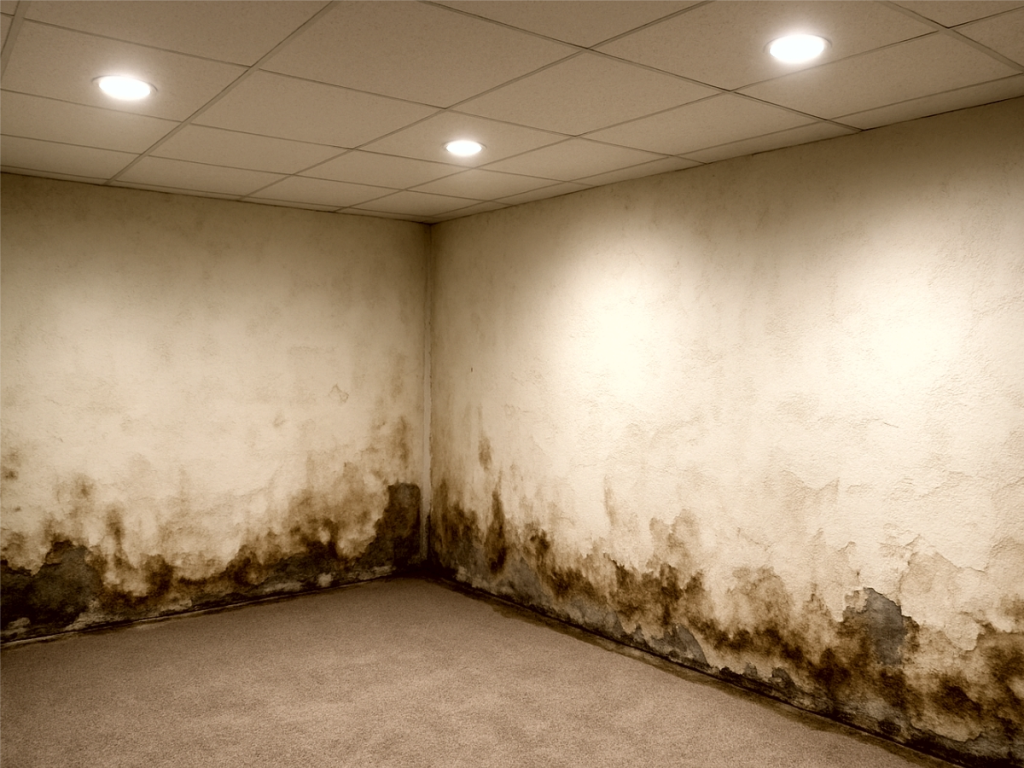
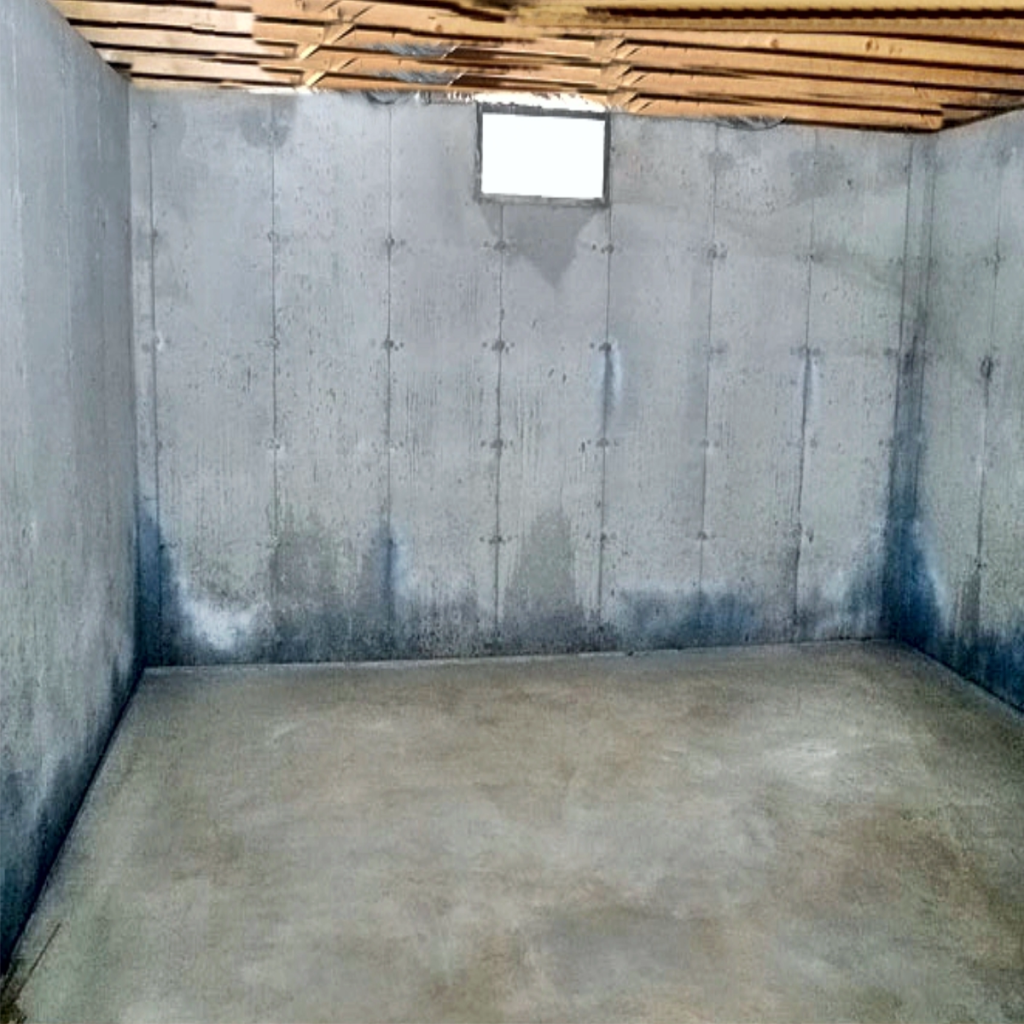
3. Dampness in Basement Retaining Walls
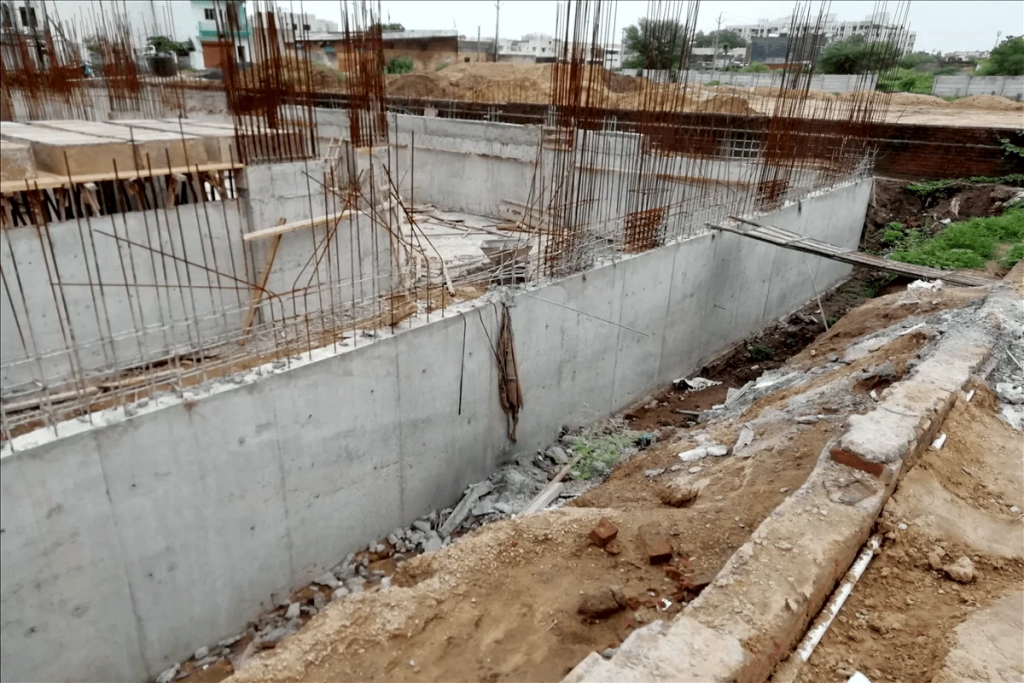
Basement walls are constantly exposed to soil moisture and water pressure, making them highly prone to dampness and leakage.
Signs of This Problem
✔ Wet or damp basement walls
✔ Continuous moisture at lower wall area
✔ Musty smell in basement
Why This Problem Occurs (Damp Wall Causes)
✔ Soil moisture pressure
✔ Lack of external waterproofing
✔ Poor drainage system
What It Indicates
This is a serious Damp Wall Cause, where water pressure from soil continuously affects the structure.
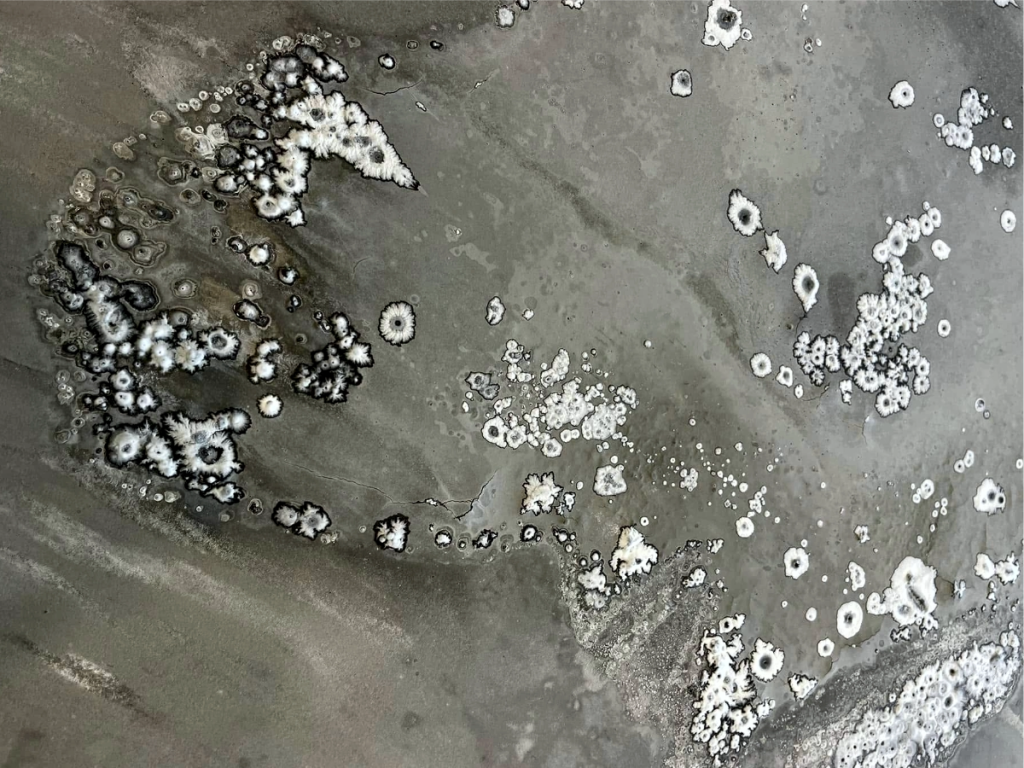
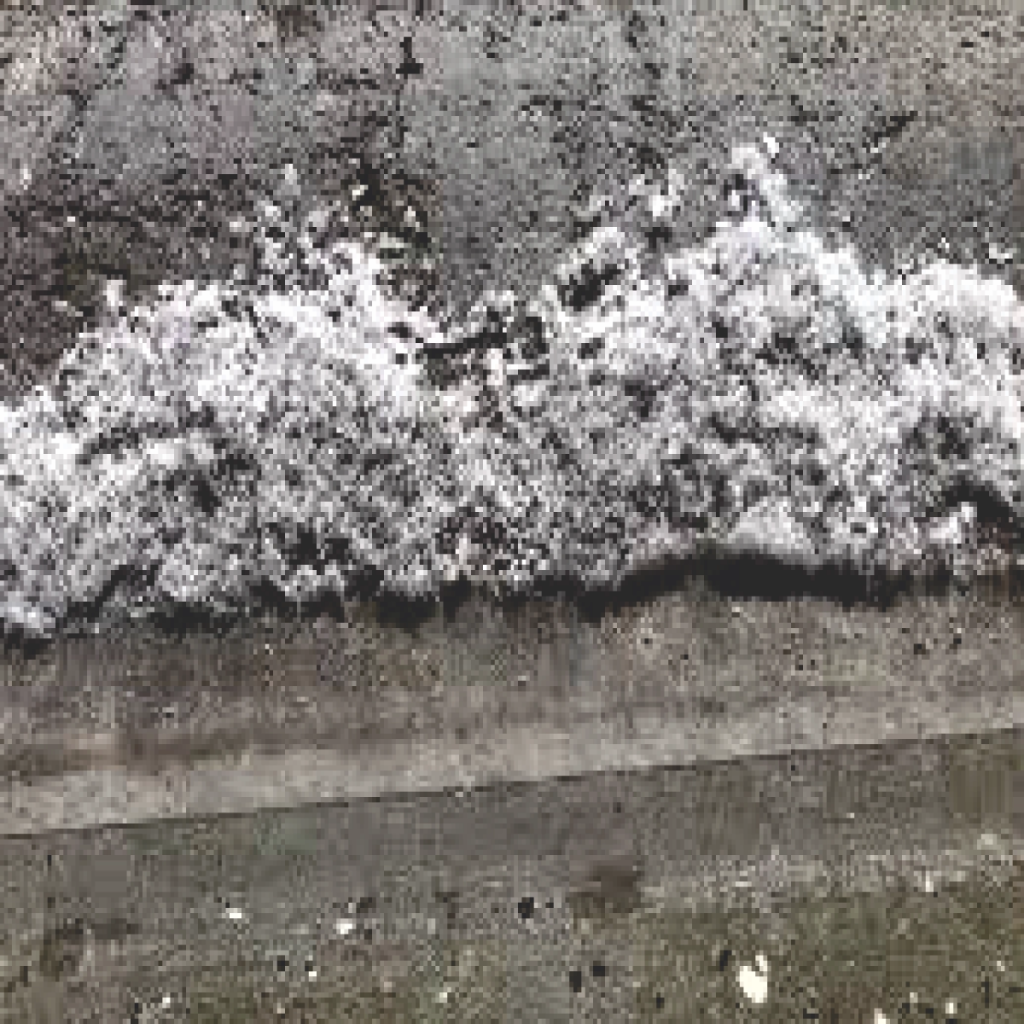
4. White Salt Deposits (Efflorescence)
White powdery deposits on walls are a clear sign of long-term moisture movement inside the structure.
Signs of This Problem
✔ White salt marks on walls
✔ Powdery surface deposits
✔ Paint or plaster damage
Why This Problem Occurs (Damp Wall Causes)
✔ Water carrying salts through walls
✔ Continuous moisture movement
✔ Long-term seepage
What It Indicates
This indicates chronic Damp Wall Causes, where moisture has been present for a long time.
✅ Detailed Damp Wall Causes Explained
Damp walls can occur due to various structural, environmental, and construction-related issues. Understanding the exact Damp Wall Causes helps you identify the root problem and choose the right waterproofing solution.
Dampness may appear similar on the surface, but the actual cause can vary depending on the location and type of wall. Below are the most common causes explained in simple terms:
1. Internal Leakage from Pipes
Hidden leakage from water supply or drainage pipes inside walls is a major cause of dampness. Continuous water flow slowly spreads moisture, leading to damp patches, peeling paint, and wall damage over time.
2. Rainwater Seepage from Exterior Walls
Cracks or damaged plaster on exterior walls allow rainwater to enter the structure. Over time, this moisture travels inside and causes dampness on internal wall surfaces.
3. Poor or Failed Waterproofing
If waterproofing is not done properly during construction or gets damaged over time, walls become vulnerable to water penetration. This is one of the most common Damp Wall Causes in both new and old buildings.
4. Rising Damp from Ground Level
Moisture from the ground can rise through walls due to capillary action. This is common in ground floor walls and basement areas where proper damp-proofing is missing.
5. Basement Retaining Wall Pressure
Basement walls are constantly exposed to soil moisture and hydrostatic pressure. Without proper external waterproofing, water pushes into the structure and causes continuous dampness.
6. Poor Ventilation and Condensation
Lack of proper ventilation leads to moisture buildup inside rooms. This trapped moisture condenses on walls, causing dampness, especially in kitchens, bathrooms, and closed spaces.
7. Construction Defects or Low-Quality Materials
Poor construction practices, weak plaster, or low-quality materials can create porous surfaces that absorb water easily. This increases the chances of dampness over time.

✅ Conclusion
Damp walls should never be ignored, as they can lead to serious damage over time. By identifying the early signs and understanding the real Damp Wall Causes, you can take timely action and prevent costly repairs.
Whether the problem is in interior walls, exterior surfaces, or basement retaining walls, choosing the right waterproofing solution is the key to long-term protection and durability.
✅ Why is Wall Waterproofing Important?
Wall waterproofing is essential to protect your building from dampness, seepage, and long-term structural damage. Ignoring small moisture problems can lead to peeling paint, weak plaster, and unhealthy living conditions.
Proper waterproofing not only stops water entry but also strengthens the durability of walls. It is important for all types of structures, including interior walls, exterior walls, and basement retaining walls.
Key Benefits of Wall Waterproofing
✔ Prevents dampness and water seepage
✔ Protects walls from cracks and damage
✔ Improves indoor air quality and hygiene
✔ Increases the life of paint and plaster
✔ Reduces long-term repair and maintenance costs
By understanding the Damp Wall Causes and applying proper waterproofing, you can ensure long-lasting protection and maintain the strength of your building.
Methods for Wall and Basement Retaining Wall Waterproofing
Wall and basement retaining wall waterproofing requires the right method based on water pressure, soil conditions, and structure type. Different techniques are used in India and internationally to control dampness and prevent water seepage.
Choosing the correct method helps eliminate major Damp Wall Causes and ensures long-lasting protection.
If you are dealing with leakage in any type of water storage or decorative structure, proper waterproofing is essential to prevent water loss and structural damage.
Different structures require different waterproofing methods based on their usage, water pressure, and exposure conditions. Using the right technique helps eliminate common Water Tank Leakage Causes and ensures long-lasting protection.
Common Waterproofing Methods Used in India and Abroad
1. Cementitious Waterproofing
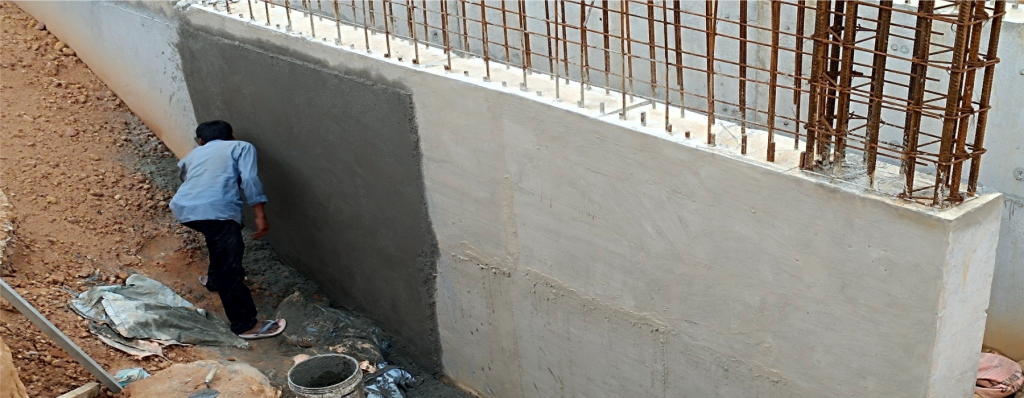
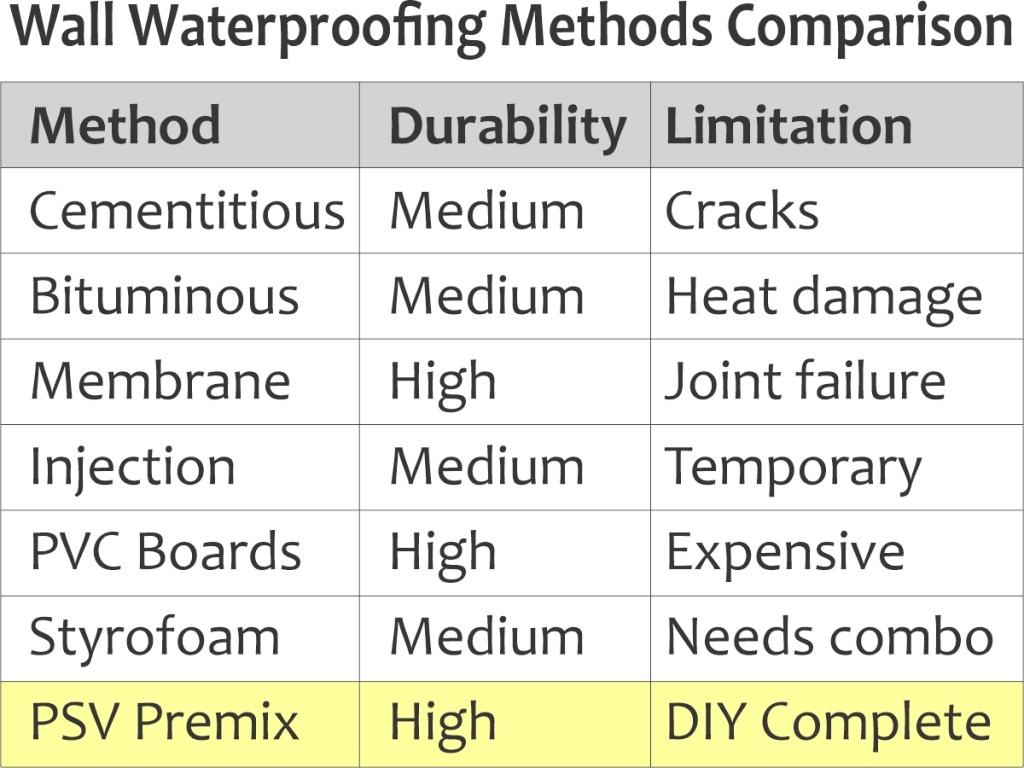
This is one of the most commonly used methods in India. It involves applying a cement-based coating on walls to prevent water penetration. It is easy to apply but may not be effective against high water pressure in basement walls.
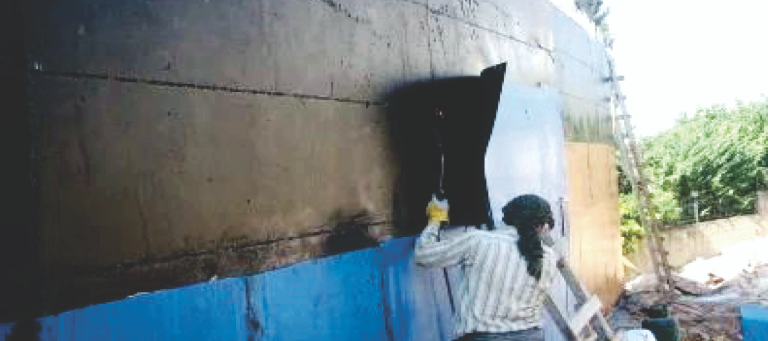
2. Bituminous Coating (Asphalt Based)
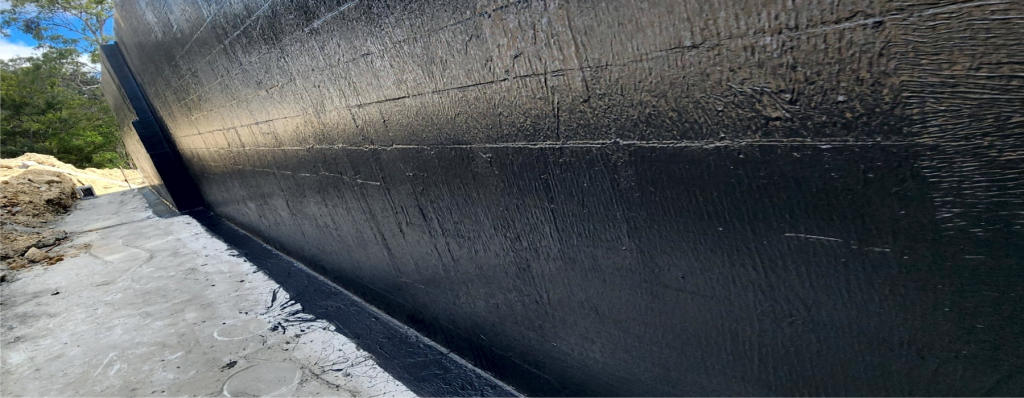
This method uses a waterproof bitumen layer to protect walls from moisture. It is widely used for external walls and underground structures, but it can degrade over time if not protected properly.
3. Membrane Waterproofing (Sheet Membranes)
In this method, waterproof sheets are applied on the surface to block water entry. It is commonly used in international projects and large constructions. Proper installation is critical, otherwise leakage can occur at joints.
4. Chemical Injection Waterproofing
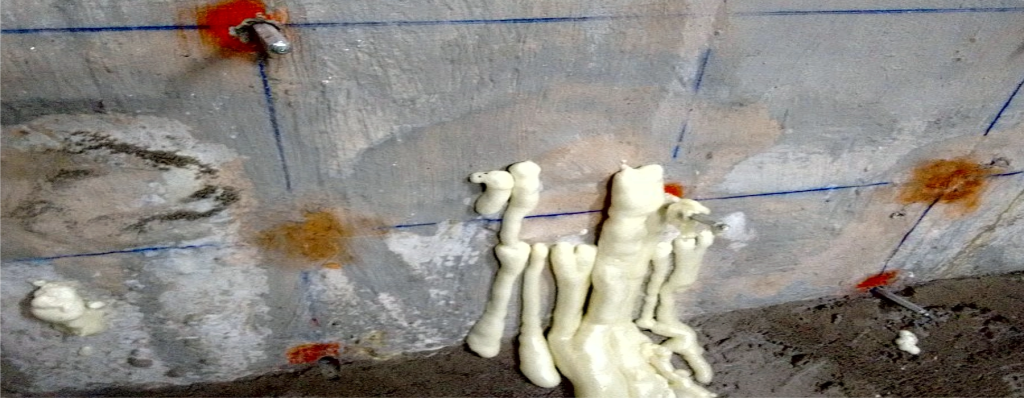
This method is used to repair cracks by injecting chemicals inside the wall structure. It is effective for stopping active leakage but may not provide a complete long-term solution if used alone.
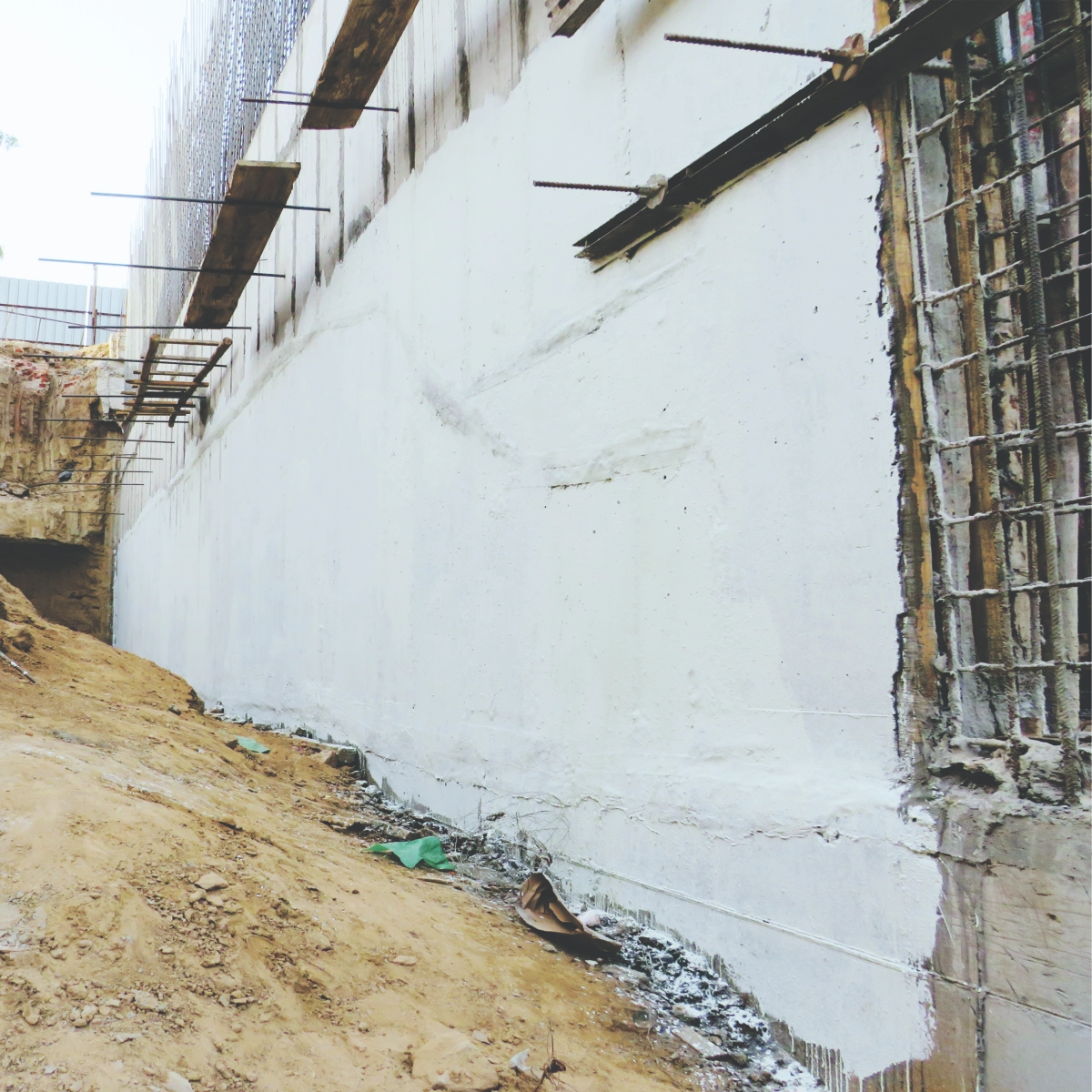
5. PVC Membrane Protection Boards
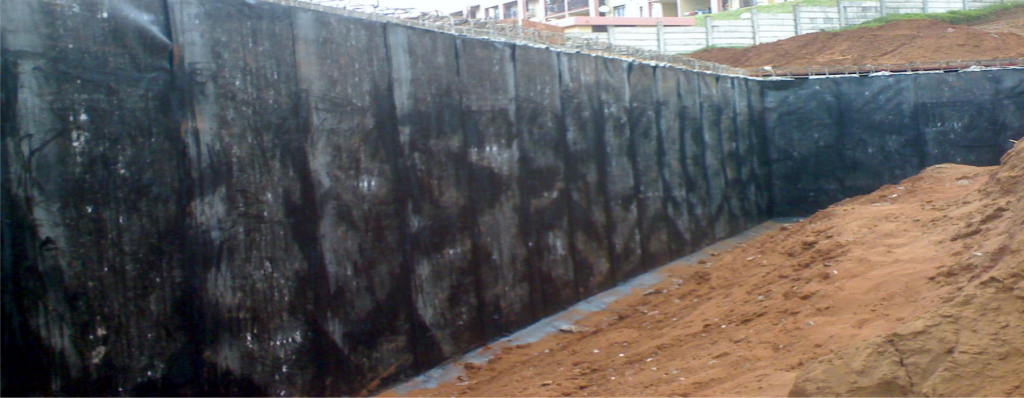
This method involves applying PVC membrane sheets or protection boards to create a durable waterproof barrier. It is widely used in basements, underground tanks, and retaining walls to prevent water seepage and protect the structure from long-term moisture damage. used alone.
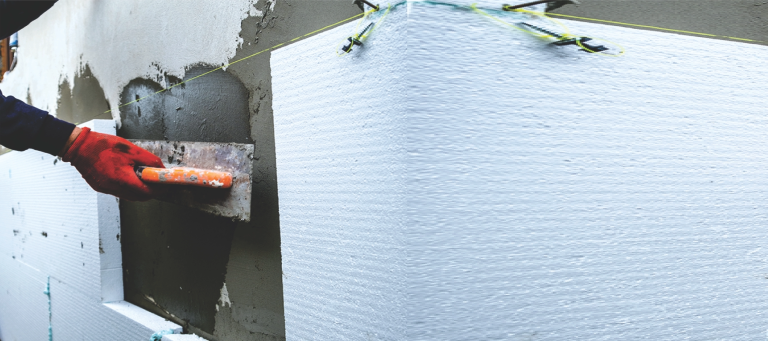
6. Styrofoam Insulation Boards for Wall Protection & Waterproofing
Styrofoam (EPS) insulation boards are applied on exterior walls to create a protective layer before plastering. They help reduce moisture penetration, prevent cracks, and improve thermal insulation. This method is highly effective for exterior and basement walls when combined with proper waterproofing systems.
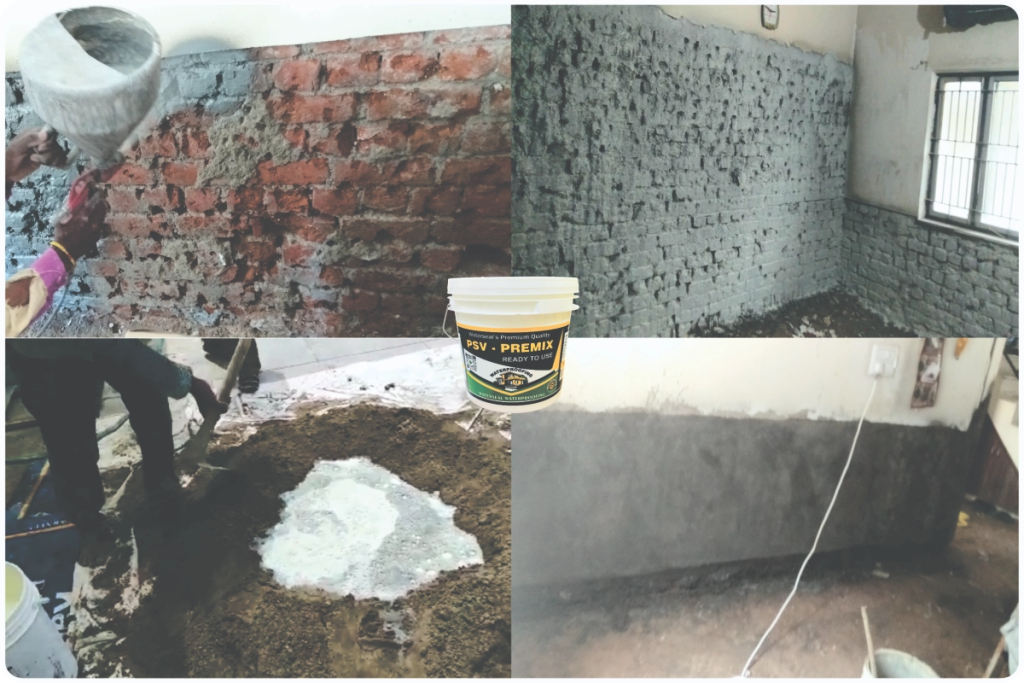
7. PSV Premix – Modern, Effective & Affordable Waterproofing Solution
PSV Premix is a modern, easy-to-use waterproofing material designed to seal wall surfaces and stop moisture at the source.
Specially designed for interior walls and basement retaining walls, PSV Premix works effectively even under negative water pressure conditions.
✔ Mix with water and apply directly
✔ Strong bonding with wall surface
✔ Suitable for DIY and professional use
✔ Cost-effective and long-lasting
With Waterseal, you don’t just cover the problem —
you eliminate it from the root for a dry, healthy, and durable structure.
Compare waterproofing methods and choose the best solution

ProvenDamp Wall Solutions
At Waterseal, we specialise in identifying the exact reasons behind wall dampness and providing the right solution based on the type of problem. Different areas of a building require different waterproofing approaches, and using the correct method is essential for long-term protection.
We provide specialized waterproofing solutions for interior walls, exterior walls, and basement retaining walls. Each of these areas faces different types of moisture exposure, such as internal leakage, rainwater seepage, or soil pressure, and therefore requires a specific treatment method.
Below, you can explore our proven waterproofing methods for each type of wall. We have provided a brief overview along with dedicated pages where you can learn more about the process, solutions, and services.
Explore Our Wall Waterproofing Solutions
Discover the most effective waterproofing solutions for interior, exterior, and basement walls, along with a practical DIY guide for long-lasting protection.
Fix dampness, peeling paint, and moisture issues inside your home with effective internal wall waterproofing solutions.
Protect your building from rainwater seepage and cracks with durable exterior wall waterproofing methods.
Stop water pressure and leakage in basement walls with strong and long-lasting waterproofing solutions.
Learn step-by-step wall waterproofing methods and apply proven techniques to fix damp wall problems yourself
Why Choose Waterseal Wall Waterproofing?
We identify the exact Damp Wall Causes and apply the most effective waterproofing method based on wall type and moisture source.
With our modern PSV method and proven techniques, we ensure long-lasting protection for interior walls, exterior walls, and basement retaining walls.
What Makes Us Different
✔ 30+ years of waterproofing expertise
✔ Accurate root cause diagnosis (not guesswork)
✔ Advanced chemical waterproofing solutions
✔ Effective against internal & external moisture
✔ Long-lasting protection with warranty support
✔ Trusted service across residential & commercial projects
FAQ – Damp Wall Causes & Solutions
What are the main Damp Wall Causes?
The most common Damp Wall Causes include internal pipe leakage, rainwater seepage through exterior walls, poor waterproofing, rising damp from the ground, and basement wall pressure. Identifying the exact cause is important for choosing the right solution.
How can I identify damp wall problems early?
Early signs of damp walls include peeling paint, damp patches, musty smell, white salt deposits (efflorescence), and wall discoloration. Detecting these signs early helps prevent serious structural damage.
Can damp walls be permanently fixed?
Yes, damp walls can be permanently fixed if the root cause is properly identified and treated using the right waterproofing method such as chemical treatment or advanced solutions like the PSV method.
Which waterproofing method is best for damp walls?
The best method depends on the cause of dampness. For internal and basement walls, modern methods like PSV waterproofing are highly effective as they stop moisture from within the wall structure.
Is waterproofing necessary for basement walls?
Yes, basement retaining walls are constantly exposed to soil moisture and water pressure. Without proper waterproofing, dampness and leakage can occur, leading to long-term structural damage.
Water leakage in tanks, terraces, bathrooms, and walls can cause serious structural damage if ignored. Understanding the exact problem helps you choose the right waterproofing solution.
👉 Explore all types of leakage problems in detail: Complete Water Leakage Problems & Solutions Guide
Explore all types of water leakage problems, their causes, and effective waterproofing solutions in one complete guide.
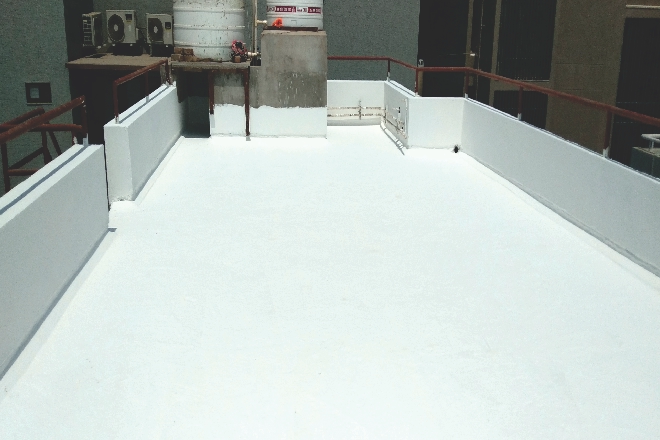
Identify roof cracks, water stagnation, and seepage issues. Learn terrace waterproofing solutions for long-term protection.
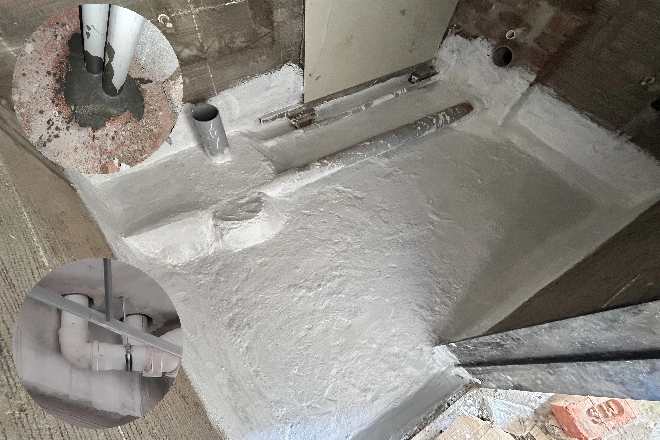
Fix tile joint gaps, pipe leakages, and floor seepage issues with proper bathroom waterproofing solutions and long-lasting protection.
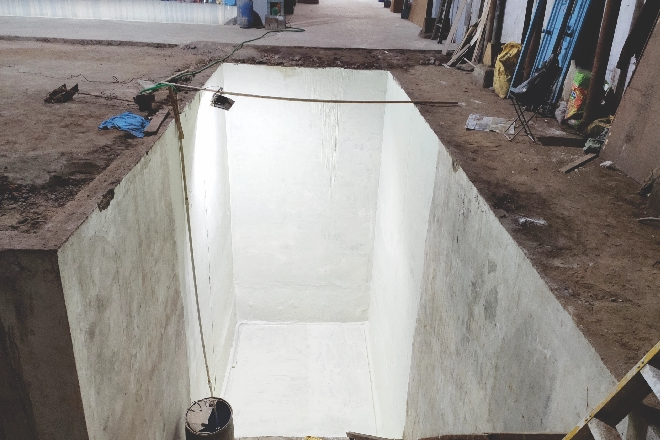
Detect cracks, seepage, and structural issues in tanks. Learn waterproofing solutions for underground and overhead tanks.
✅ Fix Your Damp Wall Problem Today
Damp walls can get worse over time if not treated early. Don’t wait until it causes peeling paint, wall damage, and unhealthy living conditions.
🔶 Get Expert Help Now:
✔ Free Damp Wall Inspection
✔ Identify Exact Damp Wall Causes
✔ Interior, Exterior & Basement Solutions
✔ Long-Lasting Waterproofing Treatment
⭐ Why Choose Us
✔ 30+ Years of Waterproofing Experience
✔ 1100+Wall Waterproofing Projects
✔ 5-Year Service Warranty
✔ Modern PSV Waterproofing Method
Talk to Our Expert Today
Our team will inspect your walls, identify the root cause, and provide the most effective waterproofing solution for long-term protection.